A Skin Cancer Vaccine May Be on the Horizon
 Photos: Adobe Stock & Getty ImagesSave this storySave this story
A personalized mRNA vaccine may help reduce the risk of melanoma recurrence, a promising new study finds.
Melanoma is, of course, the deadliest form of skin cancer. According to the American Cancer Society, more than 112,000 new melanomas are likely to be diagnosed in 2026, and 8,510 people are expected to die from the skin cancer variant. It can also be tricky to treat; if you've had one, you are at a higher risk for another, notes the American Academy of Dermatology Association. If melanoma does recur, it typically shows up within five years. Cancerous cells may remain after treatment and can spread to other parts of the body, though it most commonly recurs in the same area.
However, results of the latest clinical trial of a specialized vaccine produced by Moderna and Merck, recently published in the Journal of Clinical Oncology, showed that when combined with traditional melanoma treatment (surgery to remove the cancerous tumors, paired with immunotherapy), the personalized mRNA vaccine could reduce the risk of recurring melanoma.
The trial included 157 people in the United States and Australia with stage 3 melanoma who had a high risk of recurrence. All of the participants were treated with surgery and the immunotherapy medication pembrolizumab, also known as Keytruda, used in certain cancer treatments to help the immune system destroy cancerous cells. A portion of that group—107 patients—was also treated with the vaccine. Known clinically as intismeran autogene, the mRNA-based vaccine is personalized to each patient's tumor using their own DNA, helping to identify and target any possible additional or new cancer cells. Results showed that 68.8% of the patients who received the vaccine stayed skin cancer-free after five years. This is compared to the other group, who were treated with surgery and Keytruda, but no personalized vaccine; 49% of those patients were skin cancer-free after five years.
"In many ways, it represents one of the purest examples of precision medicine currently in clinical development."
According to Deborah S. Sarnoff, MD, a board-certified dermatologist and president of the Skin Cancer Foundation, pembrolizumab/Keytruda is a treatment for patients with resected melanoma, or melanoma that has been surgically removed. “This treatment has been very effective for some patients, but for others, further treatment options are needed,” she says. “If confirmed in larger phase 3 studies, this [immunotherapy plus mRNA vaccine] approach could provide a more personalized treatment option tailored to each patient's tumor mutations.”
Dr. Sarnoff also notes that it could improve long-term outcomes for patients who are at a high risk of recurrence, and even “expand the role of mRNA technology beyond infectious diseases into cancer treatment," possibly becoming a model for personalized vaccines in other cancers. “The results are highly encouraging because the benefits appear durable over five years, which is a meaningful benchmark in melanoma treatment,” she adds.
According to Kavita Mariwalla, MD, a double board-certified dermatologist, Mohs surgeon, and president of the American Society for Dermatologic Surgery, the data is so exciting because “we’re seeing two complementary technologies working together." What distinguishes this personalized, mRNA-based vaccine from earlier cancer vaccines is that “it is not targeting melanoma broadly,” explains Dr. Mariwalla. "It is targeting the unique molecular signature of an individual patient’s tumor. In many ways, it represents one of the purest examples of precision medicine currently in clinical development."
Dr. Mariwalla calls the combo “precision medicine and immunotherapy converging in a way that really signals the future of melanoma therapy," and explains the mechanism of action: "Think of Keytruda as letting off the brakes of the immune system and this vaccine giving your body the GPS to find anything left behind. The idea that you can target something so specifically to prevent recurrence at such an advanced stage is truly remarkable innovation."
In addition, Dr. Mariwalla says that the trial is testing “whether we can use the unique genetic fingerprint of a patient's melanoma to reduce the risk of recurrence,” which makes it “probably the most advanced personalized cancer vaccine ever tested in melanoma. Every dose is uniquely manufactured for a single patient.”
"The idea that you can target something so specifically to prevent recurrence at such an advanced stage is truly remarkable innovation."
Following surgery, the risk of recurrence remains high for patients with stage 3/4 melanoma, "so we are encouraged by these long-term findings showing that intismeran autogene [the vaccine] in combination with Keytruda provided sustained and durable reductions in the risk of recurrence,” Marjorie Green, MD, senior vice president and head of oncology, global clinical development at Merck Research Laboratories, shared in a statement. “These data further reinforce the potential of this individualized approach to address critical gaps…and reflect our continued commitment to advancing innovative therapies for patients.”
More clinical trials are currently under way. “This was a phase 2 study, limited to 157 patients, and the overall survival findings remain exploratory,” notes Dr. Sarnoff. “The ongoing phase 3 trials will be critical for determining whether these promising results translate into a broader patient population and ultimately change clinical practice.”
Dermatologists are optimistic. Valencia D. Thomas, MD, MHCM, professor of dermatology at MD Anderson Cancer Center in Houston, Texas, calls this personalized cancer care “the wave of the future," saying that the trial "combines both the vaccine and the immune-boosting therapies, allowing the body to tag a tumor for destruction while boosting the intensity of the response. It’s like turning the volume up to 11.”

Emily Blunt Is Taking One of the Springiest Nail Colors Into Summer—See the Photos
 Getty ImagesSave this storySave this story
Move over, millennial mint. See ya next year, butter yellow. There's a new pastel color trend in town, and we've seen it on two celebs this week alone: lovely lilac! Yes, this supremely springy shade is making its way into summer thanks to Emily Blunt, who went monochromatic with a lavender manicure and eye shadow combo that solidified the color as a few fave for June and beyond.
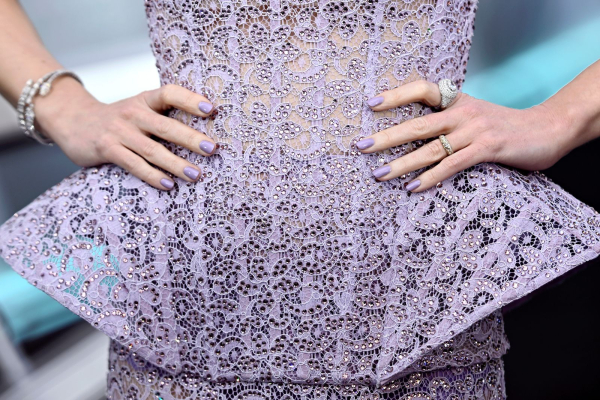
Blunt fully embraced lilac tones at the UK premiere of her movie Disclosure Day, walking the red carpet in a strapless purple gown with matching nails and lids. Her nails were a medium length in a slightly rounded square shape, painted with a few coats of a creamy light purple reminiscent of one of my favorite Crayola crayons of all time, Purple Mountain's Majesty. (Remember that one? What a hit.) The color was an exact match for her intricate lace Stella McCartney dress, and if you're feeling it, Essie's In Pursuit of Craftiness, a soft violet, would satisfy your purple cravings.
 Getty Images
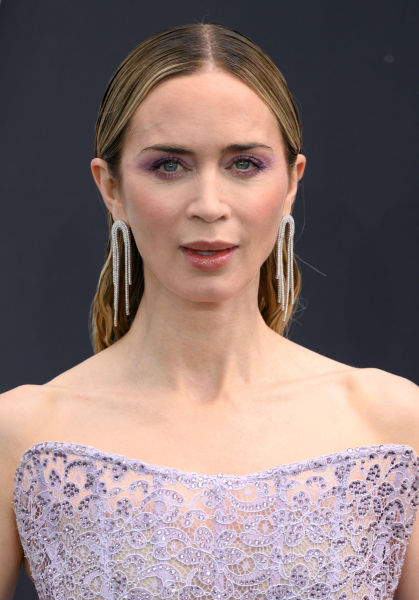
But the purple vibes didn't stop there! Blunt, who works with makeup artist Jenn Streicher, also wore the shade on her eyes, with a soft wash of shadow across the entire lid. The eye shadow of choice was just a tiny bit darker than her mani and dress, more of a true purple than lavender or lilac. This is monochromatic glam done right—just matchy-matchy enough, with lots of little subtle details that make it feel chic, not cheesy.
 Getty Images
Blunt isn't the only star turning lilac into the go-to summer color; Jennifer Lopez also co-signed the hue for one of her Office Romance premiere events, wearing a gorgeous pale purple color dusted on her eyes and enhanced by spiky, dramatic false lashes to really make the violet shade shine. Looks like we'll all be channeling our inner Prince this summer!
10 Best Toners for Mature Skin to Brighten, Smooth, and Exfoliate
 Collage: Paula Balondo; Source images: Courtesy of brandsSave this storySave this story
Face toners have come a long way from their alcohol-laden past. The best toners for mature skin are less about stripping away oil and more about supporting your skin, a shift that becomes even more important as you age. Over time, skin cell turnover slows, collagen production declines, and the skin's ability to retain moisture decreases, leading to everything from dryness and dullness to fine lines, discoloration, and uneven texture. Fun, right?
While all of this is completely normal, there are skin-care products that can help your complexion look and feel its best. Case in point: toner. Today's formulas are packed with ingredients like hyaluronic acid, ceramides, peptides, and gentle exfoliants that can target specific skin concerns, like lax skin or dark spots, while offering a baseline of hydration. While they’re not a must-have for everyone, the right formula can replenish lost moisture, remove impurities, and boost your skin barrier, as well as prime your skin for the rest of your products, says New York City-based board-certified dermatologist Pooja Rambhia, MD. Think of them as an extra layer of care tailored to your skin's evolving needs.
Our Top Toners for Mature Skin
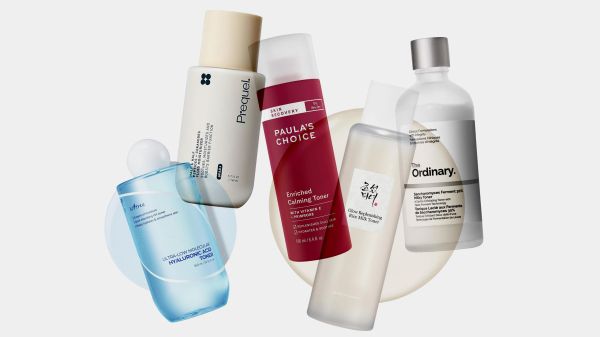
- Best Overall: Isntree Ultra-Low Molecular Hyaluronic Acid Toner, $16
- Best for Acne-Prone Skin: Medik8 Press and Clear, $38
- Best for Sensitive Skin: The Ordinary Saccharomyces Ferment 30% Milky Toner, $14
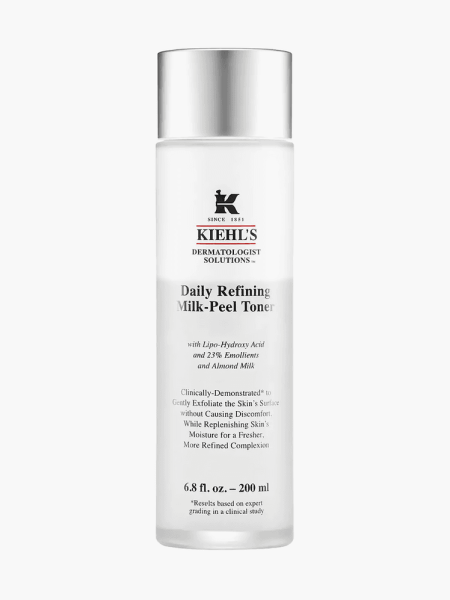
- Best for Dark Spots: Kiehl’s Daily Refining Milk-Peel Toner, $62
Frequently Asked QuestionsLargeChevron
- Should I use toner on mature skin?
- What is the best toner for a 50-year-old woman?
- Who should not use toner?
- Meet the experts
- How we test and review products
- Our staff and testers
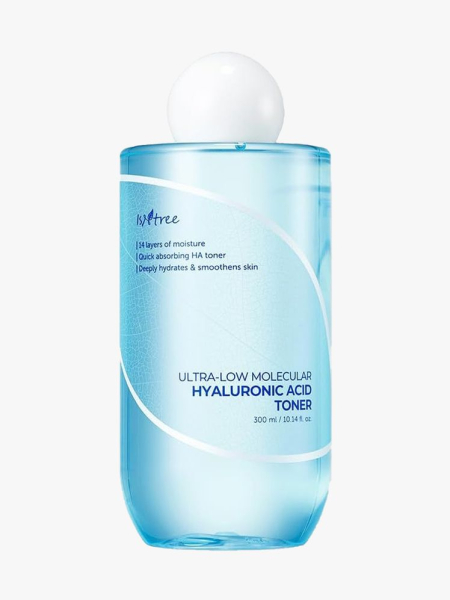
Best Overall: Isntree Ultra-Low Molecular Hyaluronic Acid Toner
 Save to wishlist
Isntree
Ultra-Low Molecular Hyaluronic Acid Toner
Amazon
Yesstyle
Why we love it: It wasn't until we discovered Isntree’s Ultra-Low Molecular Hyaluronic Acid Toner that we even knew 14 different types of hyaluronic acid existed. This K-beauty skin-care favorite combines an impressive blend of high- and ultra-low-molecular-weight hyaluronic acids with mineral-rich deep seawater sourced from Ulleung Island in Korea, creating a formula that's all about serious hydration. “The ultra-low molecular weight HA can penetrate more deeply into the skin, while larger HA molecules help support hydration closer to the surface, which helps to balance skin sensitivity and provides deeper hydrating support,” says Alessandra Haskin, MD, a board-certified dermatologist based in New York City. Each swipe leaves your skin looking plumper, bouncier, and smoother, with fine lines appearing less pronounced.
Beyond the HA complex, humectants like glycerin and betaine draw moisture into the skin, while panthenol and allantoin soothe and support a compromised skin barrier. Best of all, “because the formula skips exfoliating ingredients altogether, it layers beautifully alongside other active ingredients in your routine,” which means it’s especially welcome if your skin is feeling dry from retinoids or exfoliating acids, says Dr. Haskin.
More to know
LargeChevron
- Key ingredients: hyaluronic acid, glycerin, betaine, panthenol, allantoin
- Fragrance-free: yes
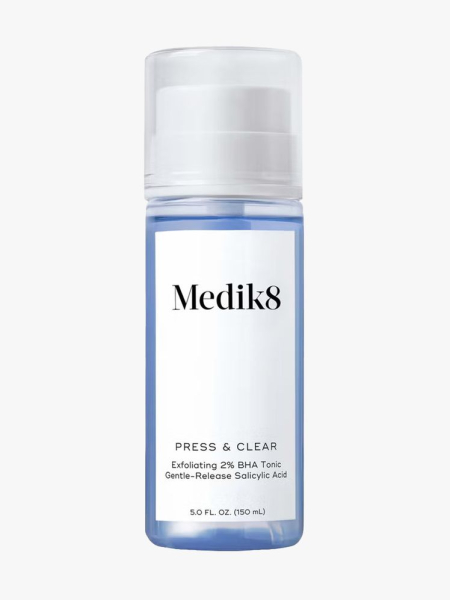
Best for Acne-Prone Skin: Medik8 Press and Clear
 Save to wishlist
Medik8
Press and Clear
Amazon
Dermstore
Medik8
Why we love it: There's a common misconception that acne disappears with age, but for many women, breakouts make a comeback during perimenopause and menopause as estrogen levels decline and hormonal fluctuations ramp up. Medik8’s Press & Clear “addresses a common complex concern of mature skin, which is acne (often hormonal) coupled with dry, sensitive skin," says Dr. Haskin. Its encapsulated 2% salicylic acid takes a milder approach than many traditional acne treatments, slowly releasing into the skin to help clear blackheads, unclog pores, and keep congestion in check without stripping. The addition of 2% tranexamic acid tackles the lingering aftermath of breakouts by fading discoloration and visibly evening skin tone, while fermented rice extract delivers hydration and supports a healthy skin barrier.
Better yet, “it’s gentle enough to be combined with other actives, which is important because many mature patients are looking for acne control without abandoning their existing mature skin-care routines,” says Dr. Haskin. Even if active breakouts aren't your main concern, this toner is still worth considering for aging skin: The exfoliating action sweeps away dead skin cells, smooths rough texture, and restores radiance to skin that's looking a little dull or lackluster.
More to know
LargeChevron
- Key ingredients: 2% encapsulated salicylic acid, 2% tranexamic acid, fermented rice extract,
- Fragrance-free: yes
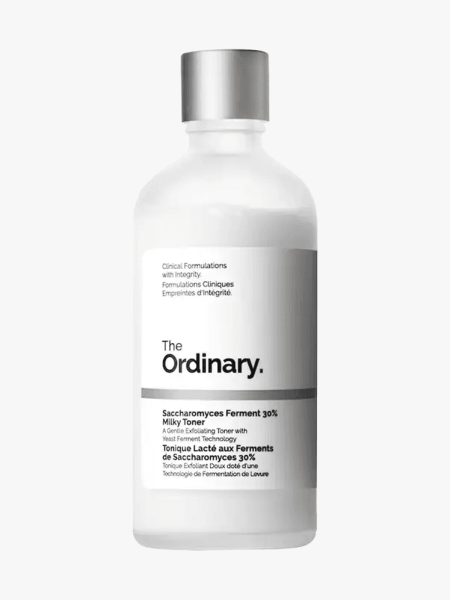
Best for Sensitive Skin: The Ordinary Saccharomyces Ferment 30% Milky Toner
 Save to wishlist
The Ordinary
Saccharomyces Ferment 30% Milky Toner
Amazon
Ulta Beauty
Sephora
Why we love it: As we age, mature skin naturally produces less oil and becomes more prone to dryness, irritation, and sensitivity—making harsh exfoliants a tougher sell. However, the Ordinary's Saccharomyces Ferment 30% Milky Toner shines with a gentle, straightforward formula that relies on just a handful of hardworking ingredients, including Saccharomyces ferment, a yeast-derived ingredient that delicately exfoliates to smooth texture and boost radiance without overwhelming delicate skin. The addition of squalane replenishes moisture and supports the skin barrier, while “the milky texture leaves behind a subtle dewy glow that instantly makes dull skin look fresher and more luminous,” says Dr. Haskin, who notes that it's a "balanced, clarifying toner that delivers the benefits of exfoliation and hydration” in one go.
More to know
LargeChevron
- Key ingredients: Saccharomyces ferment, squalane
- Fragrance-free: yes
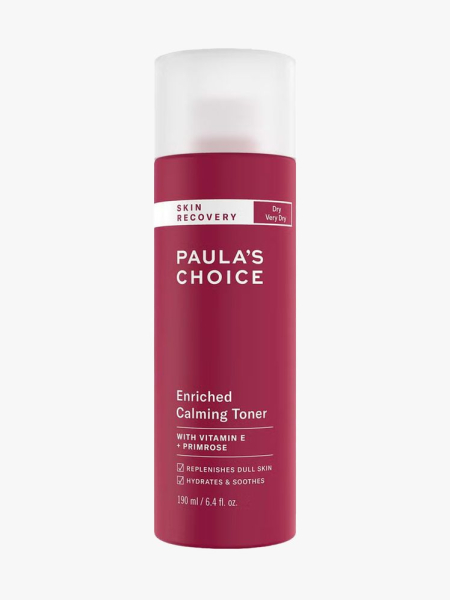
Best for Redness: Paula’s Choice Enriched Calming Toner
 Save to wishlist
Paula's Choice
Enriched Calming Toner
Amazon
Dermstore
Why we love it: Paula's Choice has no shortage of toners—six, to be exact—and the brand's color-coded collections make it easy to find the right one for your skin concerns. If mature skin is your focus, look for the deep pink bottle. The Enriched Calming Toner is "a one-stop shop for many skin needs as we mature," thanks to a lineup of barrier-supporting, glow-boosting ingredients, says Carlos Vieira, a board-certified dermatologist based in Philadelphia.
It combines vitamin E and vitamin B5 (panthenol), which he calls "a good combo for antioxidant protection and barrier repair," while glycerin and sodium hyaluronate create a dewy, skin-plumping effect. Evening primrose oil and borage seed oil replenish moisture and calm redness, making the formula appealing for mature skin that's become drier or more reactive over time. Niacinamide helps brighten uneven tone, while Dr. Vieira is a fan of the allantoin in the formula because it "simultaneously draws in water while also having a very mild exfoliating effect to combat dull-appearing skin." Gentle enough for everyday use, this silky, lotion-like toner delivers hydration, soothing barrier support, redness relief, and a healthy glow in a single step.
More to know
LargeChevron
- Key ingredients: vitamin E, vitamin B5, glycerin, sodium hyaluronate, evening primrose oil, borage seed oil, niacinamide
- Fragrance-free: yes
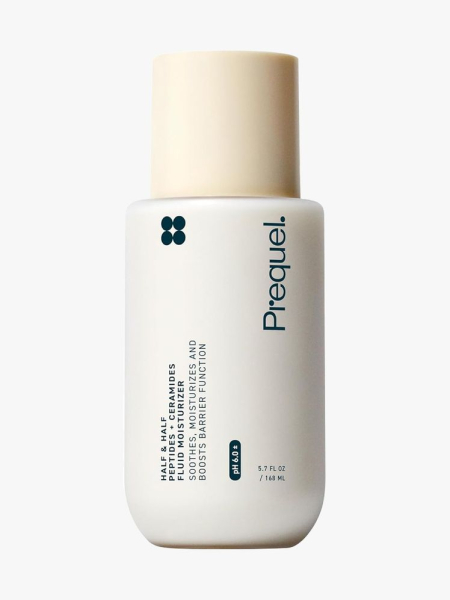
Best for Eczema: Prequel Skin Half and Half Fluid Moisturizer
 Save to wishlist
Prequel
Skin Half and Half Fluid Moisturizer
Amazon
Why we love it: Many of us think of eczema as something that shows up in childhood and disappears with age, but according to the National Eczema Association, more than 16 million adults are living with the condition. If you're dealing with an eczema-compromised skin barrier and fine lines at the same time, Prequel’s Skin Half and Half Fluid Moisturizer is the multitasker to keep handy. In fact, the formula has earned the National Eczema Association's Seal of Acceptance, meaning it has been vetted by a panel of experts for those with sensitive, eczema-prone skin.
While it’s light and liquid, “it has all the benefits of a good moisturizer,” says Dr. Viera, thanks to a blend of glycerin, squalane, and skin-replenishing ceramides that hydrate, soothe, and smooth rough texture while reinforcing the skin barrier. What’s more, the peptide complex "supports the cellular infrastructure of the skin as we mature,” he says. The milky texture absorbs without feeling heavy, making it an ideal choice for skin that's dry, sensitive, or recovering from an eczema flare but still looking for a little extra support in the firmness and fine-line department.
More to know
LargeChevron
- Key ingredients: glycerin, squalane, ceramides, peptides
- Fragrance-free: yes
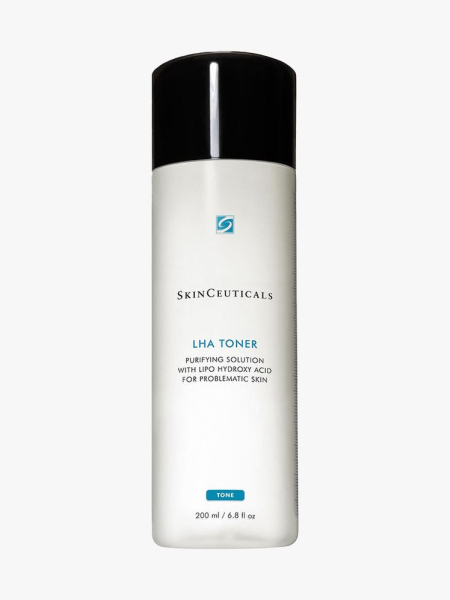
Best for Large Pores: SkinCeuticals LHA Toner
 Save to wishlist
SkinCeuticals
LHA Toner
SkinCeuticals
Dermstore
Bluemercury
Why we love it: A toner for skin cell turnover? Yep, we found one. LHA—or lipo-hydroxy acid, the main ingredient in SkinCeuticals' LHA Toner—is a salicylic-acid derivative that's ideal for improving skin tone, clogged pores, and wrinkles. It's expert-approved, too: “This is a low-pH toner [meaning it’s closer to your skin’s natural pH] for a more gentle experience, and helps remove dead skin cells and decongest pores,” San Diego-based board-certified dermatologist Saami Khalifian, MD, previously told Allure. “It’s perfect for aging skin prone to breakouts.” Plus, the formula contains glycolic acid for a true one-two exfoliating punch that'll have your skin looking glowier and more even ASAP.
More to know
LargeChevron
- Key ingredients: glycolic acid, salicylic acid
- Fragrance-free: yes
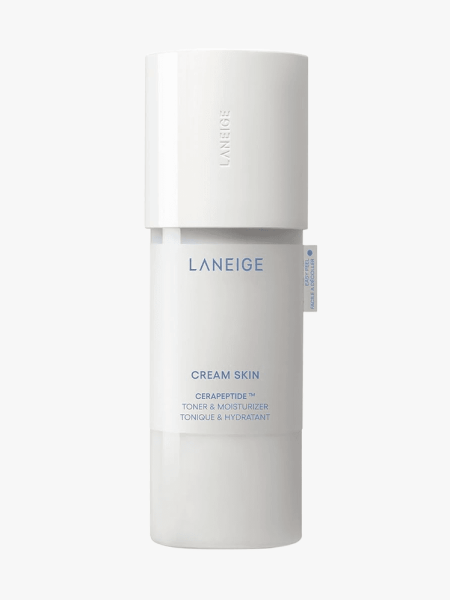
Best for Dry Skin: Laneige Cream Skin Cerapeptide Toner & Moisturizer
 Save to wishlist
Laneige
Cream Skin Cerapeptide Toner & Moisturizer
Amazon
Sephora
Why we love it: If your skin seems to drink up moisturizer only to feel dry again an hour later, Laneige’s Cream Skin Cerapeptide Toner & Moisturizer may be the hydration boost you're missing. Dr. Vieira calls it "a great option for those looking to optimize hydration," thanks to a trio of humectants—butylene glycol, hyaluronic acid, and glycerin—that work together to draw water into the skin and keep it there. The 2023 Best of Beauty winner also features a ceramide and peptide complex that supports healthy barrier function and firmer-looking skin, while white leaf tea provides soothing amino acids to comfort stressed or sensitive complexions. Despite its deeply moisturizing benefits, the milky formula feels remarkably lightweight, says Dr. Vieira.
Tester feedback from commerce editor Sarah Han
LargeChevron
“It's so easy to give my skin a boost of moisture—especially after a few hours straight of staring at my computer (I know, I know, eye strain). It's lightweight, too, a crucial factor for muggy New York City summer days.” —Sarah Han, commerce editor
More to know
LargeChevron
- Key ingredients: butylene glycol, hyaluronic acid, glycerin, ceramide, peptides, white leaf tea
- Fragrance-free: yes
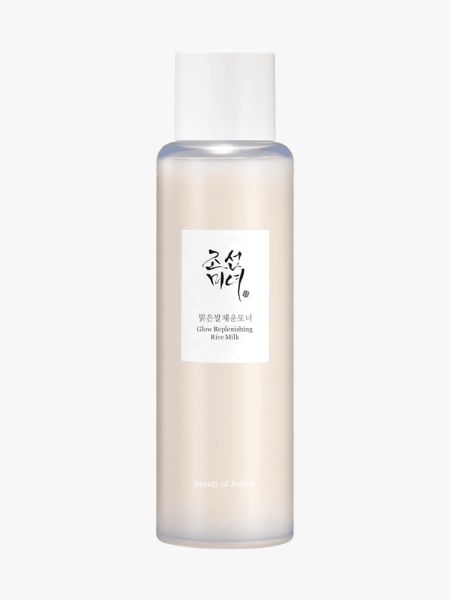
Best for Combination Skin: Beauty of Joseon Glow Replenishing Rice Milk
 Save to wishlist
Beauty of Joseon
Glow Replenishing Rice Milk
Sephora
Why we love it: We're major fans of Beauty of Joseon's viral sunscreens, but if that's where your relationship with the brand ends, you're missing out. The Glow Replenishing Rice Milk—an all-time favorite for Karan Lal, DO, a board-certified dermatologist based in Scottsdale and New York City—is particularly well-suited for mature combination skin, striking that elusive balance between hydration and shine control. Inspired by traditional Korean skin-care treatments, the formula combines rice extract and rice amino acids to nourish, soften, and boost radiance, while humectants like glycerin, urea, and sodium hyaluronate replenish moisture. What makes it particularly appealing for combination skin is the addition of kaolin clay, which absorbs excess oil and keeps the T-zone in check without over-drying the rest of the face. Meanwhile, panthenol, ceramides, and Centella asiatica support the skin barrier and calm redness. The result is a milky toner (remember to shake it!) that leaves skin looking fresh, balanced, and glowier—never greasy.
Tester feedback from Han
LargeChevron
“I love the sensorial aspect of shaking and mixing the dual layers and seeing the formula transform into milky emulsion goodness. I have combo skin and I find that this formula works especially well for that, but I think a lot of skin types—including oily, acne-prone, and redness-prone skin—would benefit from this rice milk. My shiny-as-heck T-zone is toned down and my skin feels so much smoother after my double cleanse.” —Han, commerce editor
Best for Dark Spots: Kiehl’s Daily Refining Milk-Peel Toner
 Save to wishlist
Kiehl's
Daily Refining Milk-Peel Toner
Amazon
Nordstrom
Why we love it: Reduced skin cell turnover oftentimes results in skin looking flat and dull—a byproduct of aging. But don’t fret: An easy and great way to increase radiance and fade hyperpigmentation is to find an exfoliating product like Kiehl’s Milk-Peel Gentle Exfoliating Toner, recommended by Dr. Rambhia. “This toner brightens the skin while maintaining moisture—it’s gentle enough for everyday use, replenishes hydration, and protects the skin barrier,” she says, noting that it’s safe for daily use and mature skin will find that their complexion looks overall brighter, smoother, and softer.
More to know
LargeChevron
- Key ingredients: capryloyl salicylic acid, squalane, adenosine
- Fragrance-free: yes* (*contains essential oils which may be irritating)
Best Drugstore: CeraVe Hydrating Toner
 Save to wishlist
CeraVe
Hydrating Toner
Amazon
Dermstore
Ulta Beauty
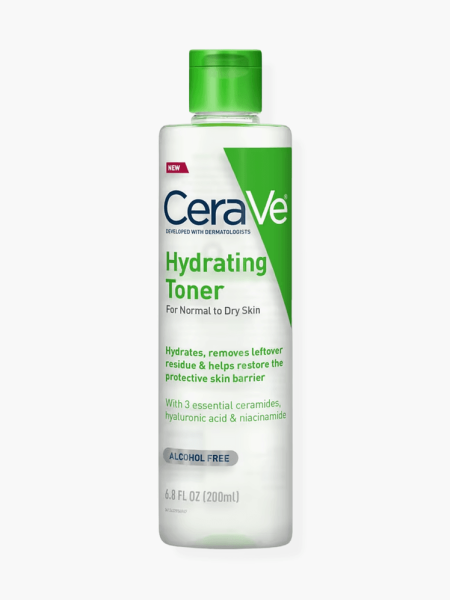
Why we love it: Little secret—you don’t have to drop major dollars to get a toner that delivers on formulation and results. Just take a peek at the CeraVe Hydrating Toner, which is available at virtually any drugstore and is jam-packed with impressive ceramides, lipids, humectants, and antioxidants. It gets the seal of approval from both Dr. Lal and Dr. Rambhia for its budget-friendly price and ability to improve hydration while simultaneously smoothing and calming your skin. “This toner supports the skin barrier while leaving the skin soft and plump, making it a great choice for those over 50,” says Dr. Rambhia. Plus, the formulation is non-comedogenic, alcohol-free, oil-free, astringent-free, and fragrance-free, making it a safe choice for hyper-reactive skin types.
More to know
LargeChevron
- Key ingredients: niacinamide, ceramides, hyaluronic acid
- Fragrance-free: yes
Frequently Asked Questions
Should I use toner on mature skin?
While facial toners are not always a necessary addition to your skin-care routine, mature skin can benefit from a formula that supports your skin barrier while addressing skin concerns that come with aging, explains Dr. Rambhia. “Look for toners containing hydrating ingredients like glycerin and hyaluronic acid, which help maintain moisture levels as skin's natural retention decreases with age,” she says, adding that other ingredients to look for include niacinamide, peptides, ceramides, and antioxidants. Dr. Lal and Dr. Rambhia both agree to avoid any formula that contains alcohol as it will cause and exacerbate dryness.
What is the best toner for a 50-year-old woman?
“Remember, at this age, less is more,” says Dr. Rambhia, who adds that you want to focus on nurturing your skin rather than aggressive exfoliation. Collagen, the key protein responsible for skin’s firmness, elasticity, and moisture retention, begins to decline at 20. Studies show that women lose 30 percent of collagen during the first five years of menopause, with levels continuing to drop gradually afterward. Because of this, Dr. Rambhia says that someone in their fifties should look for a toner that focuses on replenishing and supporting their skin with hydrating glycerin and hyaluronic acid, barrier-strengthening ceramides, collagen-boosting peptides, and antioxidants to combat environmental damage.
Who should not use toner?
There may be no age limit on glowing skin, but toner isn't necessarily a must-have for everyone. Dr. Lal says there's no age at which you're "too old" to use one, though if you're already using a great cleanser and your skin feels balanced, you may not need it. Evaluate your skin: “If it’s healthy and balanced without a toner, there's no need to introduce one into your routine,” says Dr. Rambhia, adding that some people's skin simply functions better with a minimalist approach.
Meet the experts
- Alessandra Haskin, MD, a board-certified dermatologist at Weiser Skin MD based in New York City
- Saami Khalifian, MD, board-certified dermatologist and founder of SOM Aesthetics in San Diego, CA
- Karan Lal, DO, a board-certified dermatologist in Scottsdale and New York City
- Pooja Rambhia, MD, a board-certified dermatologist at UnionDerm based in New York City
- Carlos Vieira, a board-certified dermatologist at The Dermatology Specialists based in Philadelphia
How we test and review products
When Allure tests a product, our editors look at it from every angle to best serve you. We review ingredients, scrutinize brand claims, and, when necessary, examine peer-reviewed scientific and medical studies. In addition to testing each and every product that's included in each and every review, we rely on experts who shape their fields, including dermatology, cosmetic chemistry, and medicine, to help us vet the ingredients and formulas.
For our list of the best toners for mature skin, we considered each product's performance across five primary categories: product ingredients and efficacy, packaging, fragrance, texture, and product wear. Every product was determined to have excelled in each category by our editorial team, which is composed of in-house writers and editors as well as contributors—along with special consideration from board-certified dermatologists who test and recommend moisturizers almost every day. To learn more information on our reporting and testing processes, read our complete reviews process and methodology page.
Our staff and testers
A beauty product is a personal purchase. You might be searching for a face cream to address persistent dryness or a new nail product to add to your Sunday self-care routine; you may simply be browsing around for the latest launches to hit the hair market. No matter what you seek or your individual needs and concerns, Allure wants to ensure that you love anything we recommend in our stories. We believe that having a diverse team of writers and editors — in addition to the wide range of outside testers and industry experts we regularly call upon — is essential to reaching that goal.
After all, can we really say a skin-care product is the "best" for people over 50 if the only testers we've solicited opinions from folks who have yet to hit 30? Can we honestly deem a high-end diffuser worthy of your hard-earned cash if it’s never been tested on curls? We're proud that our staff spans a wide range of ages, skin tones, hair textures, genders, and backgrounds, which means that we are able to fairly assess any beauty product that comes into the beauty closet.
These Lactic Acid Serums Prove That Everyone Can Exfoliate
 Collage: Paula Balondo; Source images: Courtesy of brandsSave this storySave this story
If you’ve ever wanted the glow-boosting benefits of an exfoliating acid without the intensity of stronger options, the best lactic acid serums may be your sweet spot, as lactic acid is generally gentler than other alpha hydroxy acids (AHAs), such as glycolic acid, thanks to its larger molecular size. “Lactic acid is a gentle exfoliating acid that’s naturally derived from dairy products and is part of the AHA family,” says Mamina Turegano, MD, a board-certified dermatologist based in New Orleans. (Despite its milk-related origins, the lactic acid used in skin care today is typically synthetically produced.) “Lactic acid dissolves away dead skin cells to make skin look smoother, brighter, and more radiant—but unlike some stronger acids, it also has hydrating properties, so it tends to be more tolerable for dry or sensitive skin,” she says.
Our Top Lactic Acid Serums
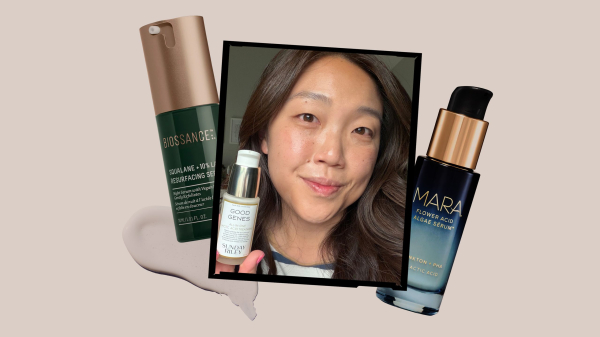
- Best Overall: Mara Flower Acid Algae Serum, $74
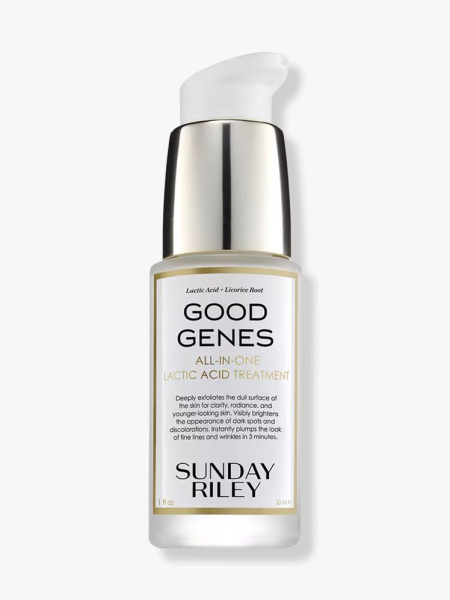
- Best for Mature Skin: Sunday Riley Good Genes All-In-One Lactic Acid Treatment, $85
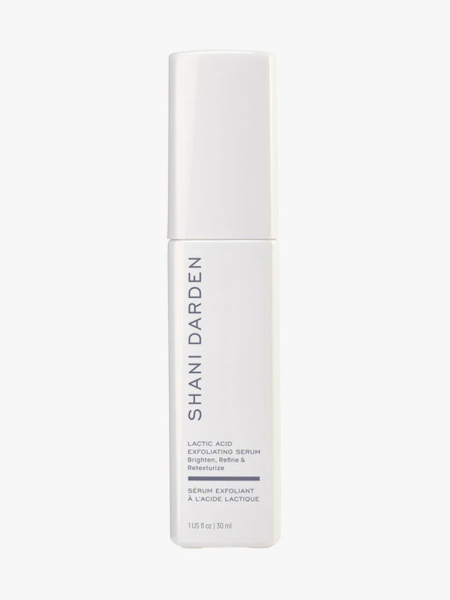
- Best for Acne-Prone Skin: Shani Darden Lactic Acid Exfoliating Serum, $75
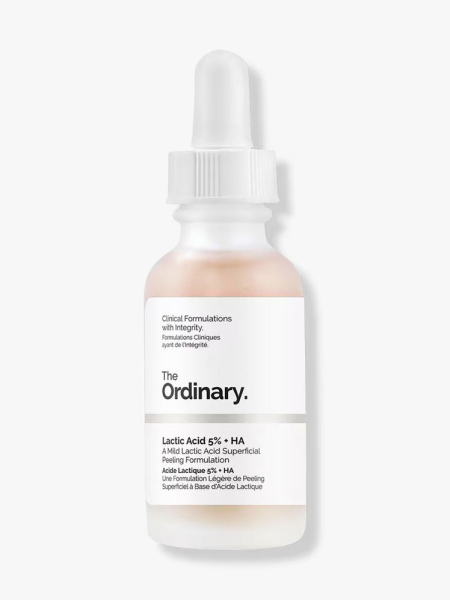
- Best for Dry Skin: The Ordinary Lactic Acid 5% + HA, $8
Whether you’re dealing with post-breakout marks, flaky patches, uneven tone, or simply want a glowier complexion, there’s a lactic acid serum for every skin concern. These are the formulas our editors and dermatologists recommend most.
Frequently Asked QuestionsLargeChevron
- How does lactic acid compare to other exfoliating acids?
- Is lactic acid good for sensitive skin?
- What percentage of lactic acid is best for beginners?
- Meet the experts
- How we test and review products
- Our staff and testers
Best Overall: Mara Flower Acid Algae Serum
 Save to wishlist
MARA
Flower Acid Algae Serum
Amazon
Sephora
Bluemercury
Allure beauty director Sarah Kinonen applying the Mara Flower Acid Algae Serum
Sarah Kinonen
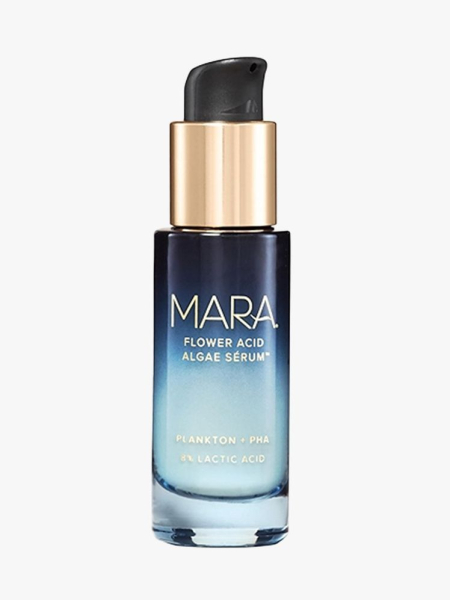
Why it's worth it: The name Mara references the Sea of Marmara in Turkey, where the brand’s founder—a former beauty journalist—fell down a deep rabbit hole researching marine ingredients, especially algae. According to our tester, that fascination clearly paid off in this Best of Beauty Award winner: the Flower Acid Algae Serum. At the heart of the formula is the brand’s signature algae blend, along with barrier-supporting plankton and mineral-rich French seawater, which keep skin feeling hydrated, balanced, and just a little more springy. Flower acids from daisy and hibiscus work alongside anti-inflammatory helichrysum (a medicinal plant harvested in Corsica, a Mediterranean island belonging to France) to gently refine texture, but the real resurfacing power comes from 11% lactic acid derived from beet sugar as well as gluconolactone, a gentle polyhydroxy acid.
While it’s the highest concentration of lactic acid on our list, the acid’s naturally humectant properties make the serum feel cushy and moisturizing. “Unlike many exfoliants, this multi-acid serum can brighten and refresh skin without drying out the skin barrier,” Sean Alemi, MD, double board-certified facial plastic and reconstructive surgeon based in New York City, previously told Allure.
Tester feedback from beauty director Sarah Kinonen
LargeChevron
“I use this serum every other night in place of my prescription Tretinoin. After cleansing and before moisturizer, I massage a small pump into my skin from my forehead down my neck. As someone with easily irritated skin, this never causes the usual side effects I experience with potent serums, like inflammation and/or flaking. Instead, it leaves my skin feeling smooth and looking glowy. I'll admit that $74 for an exfoliating serum is a bit pricey, but I promise it's worth the investment! I've recommended it to so many friends and family, and they've all agreed that the results are great. Plus, it won a Best of Beauty Award a few years back, so we all agree it's good!” —Sarah Kinonen, beauty director
More to know
LargeChevron
- Key ingredients: 11% lactic acid, algae, plankton, gluconolactone, French seawater, daisy, hibiscus
- Fragrance-free: yes
Best for Mature Skin: Sunday Riley Good Genes All-In-One Lactic Acid Treatment
 Save to wishlist
Sunday Riley
Good Genes All-in-One Lactic Acid Treatment
Amazon
Nordstrom
Ulta Beauty
Allure contributing commerce writer Christa Joanna Lee applying the Sunday Riley Good Genes All-In-One Lactic Acid Treatment
Why it's worth it: Cosmetic chemist and formulator Sunday Riley is famously meticulous about her formulas. As a result, few products have earned the level of devotion that Good Genes All-In-One Lactic Acid Treatment has. While lactic acid is great for all skin types, “mature skin often benefits from exfoliation that improves dullness and texture without overly compromising the skin barrier, and this lactic acid treatment delivers a smoother, brighter, more radiant look while still feeling relatively hydrating and cosmetically elegant on the skin,” says Dr. Turegano.
That balance is exactly what makes this 2023 Best of Beauty Award winner stand out: Within minutes, skin looks plumper, giving you a flash facial-level glow. Brightening licorice fades discoloration and post-breakout marks over time, while soothing arnica and prickly pear extract keep skin feeling calm and comfortable as the acids get to work.
Tester feedback from contributing commerce writer Christa Joanna Lee
LargeChevron
“I can count on one hand the products that I routinely go back to, and me and Good Genes All-In-One Lactic Acid Treatment have been BFFs for about a decade now. As I enter the last year of my 30s, I depend on this more than ever to keep my dry, sensitive skin from flaking and looking dull. It delivers consistent exfoliation and keeps rough patches at bay and despite being an acid treatment, it's never irritated my skin.” —Christa Joanna Lee, contributing commerce writer
More to know
LargeChevron
- Key ingredients: lactic acid (percentage undisclosed), licorice, arnica, prickly pear
- Fragrance-free: yes
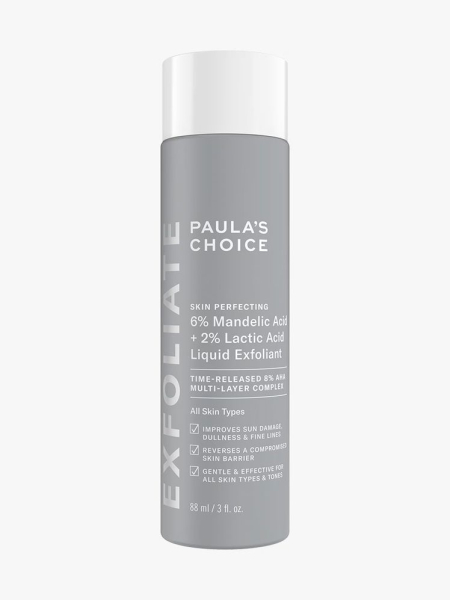
Best for Sensitive Skin: Paula’s Choice 6% Mandelic Acid + 2% Lactic Acid Liquid Exfoliant
 Save to wishlist
Paula's Choice
6% Mandelic Acid + 2% Lactic Acid Liquid Exfoliant
Amazon
Dermstore
Sephora
Allure social media manager Bianca Richards applying the Paula’s Choice 6% Mandelic Acid + 2% Lactic Acid Liquid Exfoliant
Bianca Richards
Why it's worth it: If your sensitive skin practically starts turning red at the mere mention of “exfoliating acids,” Paula’s Choice 6% Mandelic Acid + 2% Lactic Acid Liquid Exfoliant is the kind of formula that might finally change your mind about them. “It is a hybrid alpha hydroxy acid solution at a lower concentration of lactic acid (2%) than many traditional products, which reduces the risk of irritation,” says Carlos Vieira, MD, a board-certified dermatologist based in Philadelphia. The other key ingredient is mandelic acid, which Dr. Vieira explains is a high-molecular-weight molecule that penetrates skin slowly, resulting in gentler exfoliation overall.
If uneven tone and lingering post-breakout marks are among your main skin-care concerns for your sensitive skin, Dr. Turegano is especially a fan of this formula. “Mandelic acid tends to be a little gentler and more tolerable for people prone to post-inflammatory hyperpigmentation, while the lactic acid improves radiance and smoothness without feeling overly aggressive,” she says. Together, the acids smooth texture, fade discoloration, clear away dull surface buildup, and firm skin—without the stingy aftermath.
Tester feedback from social media manager Bianca Richards
LargeChevron
“Mandelic acid is often considered the go-to gentle exfoliant for sensitive skin, though it’s rare to find a mandelic acid serum on the market, let alone one that’s both effective and truly non-irritating. After using it for about a month now, it's done absolute WONDERS for my skin. Over time, using this gentle exfoliant every other day has given me a flawless, radiant complexion, to the point that I feel confident enough to go to the office without makeup. My rule of thumb is to pair an exfoliating treatment with an intensely hydrating cream or mask, because after exfoliation, my skin benefits most from a deep, replenishing hydration boost. This may be biased, but I’ve come to trust that Paula’s Choice delivers the results I’m looking for, so once I finish my bottle, I will need to re-up ASAP!” —Bianca Richards, social media manager
More to know
LargeChevron
- Key ingredients: 2% lactic acid, 6% mandelic acid, yarrow extract, Lactobacillus ferment lysate
- Fragrance-free: yes
Best for Acne-Prone Skin: Shani Darden Lactic Acid Exfoliating Serum
 Save to wishlist
Shani Darden
Lactic Acid Exfoliating Serum
Amazon
Sephora
Revolve
Why it's worth it: “Shani Darden has magic fingers,” says associate beauty editor Annie Blay-Tettey of the brand’s Triple Acid Signature Peel, while former news editor Nicola Dall’Asen once told us she wished she could keep “bulk stashes” of Retinol Reform on hand at all times. So when it came to the Best of Beauty-winning Lactic Acid Exfoliating Serum, our expectations were sky-high—and it still managed to exceed them. Featuring 9% lactic acid, this serum smooths rough texture, boosts radiance, and helps skin look clearer and more even. Gluconolactone adds an extra layer of exfoliation to improve tone and clarity—especially for blemish-prone skin—without making the formula feel overly aggressive. And because over-exfoliating acne-prone skin is never the goal, a soothing blend of hyaluronic acid, aloe, and green tea replenishes hydration and reduces redness, so skin looks calmer and balanced.
More to know
LargeChevron
- Key ingredients: 9% lactic acid, gluconolactone, hyaluronic acid, aloe, green tea
- Fragrance-free: yes
Best for Dry Skin: The Ordinary Lactic Acid 5% + HA
 Save to wishlist
The Ordinary
Lactic Acid 5% + HA
Amazon
Ulta Beauty
Why it's worth it: Sometimes dry skin isn’t just lacking moisture—it’s also holding onto a stubborn layer of dead skin cells that leaves your complexion looking dull, flaky, and rough, no matter how much moisturizer you slather on. To address that, the Ordinary’s Lactic Acid 5% + HA Exfoliating has “a mild 5% concentration that still gives gentle exfoliation, while glycerin and sodium hyaluronate offset some of the dryness and irritation that exfoliating acids can sometimes cause,” says Dr. Turegano. The formula also includes Tasmanian pepperberry, an antioxidant-rich botanical that further calms sensitivity. And if your skin becomes accustomed to lower concentrations and is ready to graduate to something stronger, there’s also a 10% version that Dr. Turegano recommends for tackling more stubborn dullness and uneven texture.
More to know
LargeChevron
- Key ingredients: 5% lactic acid, Tasmanian pepperberry
- Fragrance-free: yes
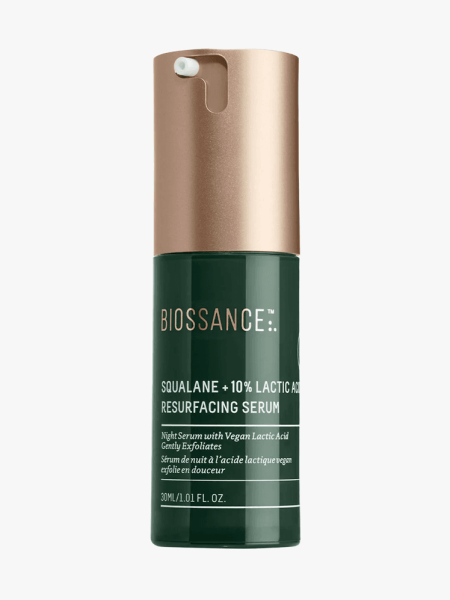
Best for Combo Skin: Biossance Squalane + Lactic Acid Resurfacing Night Serum
 SephoraSave to wishlist
Biossance
Squalane + 10% Lactic Acid Resurfacing Night Serum
Amazon
Sephora
Why it's worth it: Combination skin can be confusing to treat: Your T-zone could be slick and shiny, yet your cheeks might feel tight and dehydrated. Biossance’s Squalane + Lactic Acid Resurfacing Night Serum rebalances skin by pairing 10% lactic acid with sugarcane-derived squalane. Together, “its higher lactic acid percentage is powerful enough to address texture and clogged pores, while the squalane maintains hydration so the drier areas of your skin don’t feel tight or depleted afterward,” says Dr. Turegano. Clover extract further boosts cell turnover while helping skin recover from daily stressors like UV exposure, blue light, and pollution. As for the sensorial experience, “it’s on the richer, thicker side, but still layers nicely under other skin-care products,” adds Dr. Vieira.
While the formula skips synthetic fragrance, it does contain a touch of lavender oil, which lends the serum its subtle spa-like scent and offers anti-inflammatory and antimicrobial benefits. That said, if your skin tends to be reactive to essential oils, it may be worth patch-testing first.
More to know
LargeChevron
- Key ingredients: 10% lactic acid, squalane, clover
- Fragrance-free: free of synthetic fragrance
Other lactic acid skin care we love:
- If it’s not your first rodeo with exfoliants, an at-home peel like Ole Henriksen’s Dewtopia Flash Facial delivers an intensive reset, especially for oily, acne-prone, or congestion-prone skin. The formula tempers its hefty 25% blend of AHAs (lactic and glycolic acids), PHAs (gluconolactone), and BHAs (salicylic acid) with soothing aloe juice and hydrating hyaluronic acid to keep skin balanced as it exfoliates. Together, the acids “refine texture and enhance clarity,” says Anetta Reszko, MD, a board-certified dermatologist based in New York City.
- If you’re traveling or on the go, First Aid Beauty's Facial Radiance Pads make exfoliation about as effortless as it gets. Each pre-soaked pad delivers a blend of “glycolic acid that works synergistically with lactic acid to provide multiple layers of exfoliation,” says Dr. Vieira. While he considers it a “powerful brightener best suited for those who already have some experience with chemical exfoliators,” a hydrating, soothing blend of aloe vera, cucumber water, and hyaluronic acid cushions the formula.
- If you can carve out 15 minutes for your self-care routine, Dr. Idriss’s Major Fade Flash Mask is well worth the pause, especially if you’re already comfortable using exfoliating acids. This rinse-off treatment “combines glycolic acid, tranexamic acid, and lactic acid to exfoliate discoloration, brighten uneven pigment, and improve penetration of other brightening ingredients,” says Dr. Turegano. Unlike lactic acid treatments that focus primarily on surface-level exfoliation, this formula targets stubborn post-breakout marks, dark spots, and hyperpigmentation from multiple angles at once.
- If you're looking to exfoliate from the neck down, AmLactin’s Intensive Healing 15% AHA Lotion is built around a high concentration of ammonium lactate—the salt form of lactic acid that’s generally more moisturizing than pure lactic acid—the no-frills lotion focuses on smoothing rough, stubborn patches. “At 15%, it’s ideal for thicker skin on the hands, feet, elbows, and knees,” says Dr. Vieira. While lactic acid does the heavy lifting in softening rough texture and sloughing away dead skin cells, moisturizing ingredients like glycerin and ceramides make it a great choice for dry, rough skin that needs both exfoliation and repair.
Frequently Asked Questions
How does lactic acid compare to other exfoliating acids?
Compared with other chemical exfoliants, lactic acid “is generally considered one of the gentler exfoliating acids, which is why I often like it for people with dry, sensitive, or more reactive skin,” says Dr. Turegano. While glycolic acid penetrates deeper and is often more effective for tackling stubborn texture and discoloration, it can also be more irritating. Salicylic acid, a BHA, is oil-soluble, meaning it can penetrate pores to dissolve excess oil and debris, making it especially useful for acne-prone or oily skin. Lactic acid strikes a happy medium, offering noticeable brightening and smoothing benefits while also helping skin retain moisture. That said, if a product combines lactic acid with stronger exfoliants—or multiple acids in general—it may be better suited for those who already have experience using chemical exfoliants and know their skin tolerates them well.
Is lactic acid good for sensitive skin?
Lactic acid products are often “ideal for a sensitive skin-care routine because they’re generally gentler and more hydrating than stronger AHAs like glycolic acid,” says Dr. Turegano. Part of that comes down to its larger molecular size, which means it penetrates the skin more slowly and is therefore less likely to irritate. That gentler profile is one reason lactic acid is often recommended for dry, reactive, or easily irritated skin types. However, Dr. Turegano notes that “sensitive skin” can mean many things, so she still recommends starting slowly and avoiding overdoing it, especially if your skin barrier is already irritated or compromised.
What percentage of lactic acid is best for beginners?
For beginners, skin-care products with a lactic acid concentration of around 5% is typically a good place to start, says Dr. Turegano. Once your skin has adjusted, you can work your way up to stronger formulas. “More experienced users who tolerate exfoliating acids well may use formulations around 10 to 12%, but higher isn’t always better or faster,” she says. In fact, over-exfoliation—think redness, irritation, flaking, and a compromised skin barrier—is one of the most common mistakes dermatologists see.
Meet the experts
- Sean Alemi, MD, a double board-certified facial plastic and reconstructive surgeon based in New York City
- Anetta Reszko, MD, a board-certified dermatologist based in New York City
- Mamina Turegano, MD, a board-certified dermatologist, internist, and dermatopathologist based in New Orleans
- Carlos Vieira, MD, a board-certified dermatologist at The Dermatology Specialists based in Philadelphia
How we test and review products
When Allure tests a product, our editors look at it from every angle in an effort to best serve you. We review ingredients, scrutinize brand claims, and, when necessary, examine peer-reviewed scientific and medical studies. In addition to testing each and every product that's included in each and every review, we rely on experts who shape their fields, including dermatology, cosmetic chemistry, and medicine, to help us vet the ingredients and formulas.
For our list of the best lactic acid serums, we considered each product's performance across five primary categories: product ingredients and efficacy, packaging, fragrance, texture, and product wear. Every product was determined to have excelled in each category by our editorial team, which is composed of in-house writers and editors as well as contributors—along with special consideration from board-certified dermatologists. To learn more information on our reporting and testing processes, read our complete reviews process and methodology page.
Our staff and testers
A beauty product is a personal purchase. You might be searching for a face cream to address persistent dryness or a new nail product to add to your Sunday self-care routine; you may simply be browsing around for the latest launches to hit the hair market. No matter what you seek or your individual needs and concerns, Allure wants to ensure that you love anything we recommend in our stories. We believe that having a diverse team of writers and editors—in addition to the wide range of outside testers and industry experts we regularly call upon—is essential to reaching that goal.
After all, can we really say a skin-care product is the "best" for people over 50 if the only testers we've solicited opinions from folks who have yet to hit 30? Can we honestly deem a high-end diffuser worthy of your hard-earned cash if it's never been tested on curls? We're proud that our staff spans a wide range of ages, skin tones, hair textures, genders, and backgrounds, which means that we are able to fairly assess any beauty product that comes into the beauty closet.
My Rhinoplasty Procedure Story | Nose Before and After Photos
 Photography by Hannah Choi; courtesy of subjectSave this storySave this story
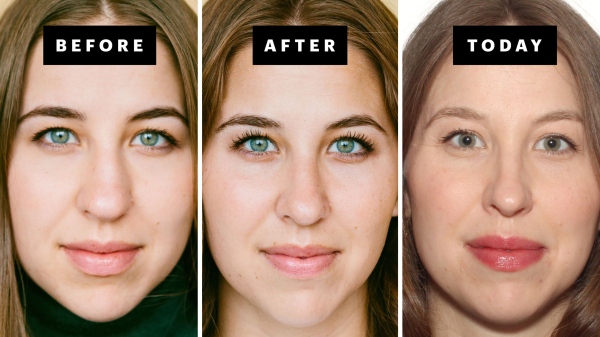
Update, June 2026: Eight years ago, Carrieanne Reichardt, then 25, got a rhinoplasty with Adam Kolker, a board-certified plastic surgeon based in New York City. She allowed an Allure photographer to document the procedure (warning: graphic images ahead) and shared her experience with contributor Jolene Edgar. Here is her story in her own words, followed by an update on how she feels about her results today, eight years later.
I love so many of my features. For instance, the green eyes I got from my mom, my naturally full lips, and smile, but my nose has been a source of insecurity. Around 15, as puberty hit, my nose just…changed. One day, it suddenly looked large and awkward, with a pronounced bump and protruding tip that I simply didn't identify with. I'd catch my profile in the mirror and be uncomfortable with the face staring back.
I felt particularly insecure about my nose when starting college, as I was presenting myself to the world, independently, for the first time. Whenever I met anyone new, I'd be very careful to talk to them only head-on, so they couldn't glimpse my profile. By 19, I was researching rhinoplasty surgery, and my dad even took me for a nose-job consultation, but I didn't feel the surgeon was a good fit, so we decided to table the idea.
 Hannah Choi/Allure
When I moved to New York City after graduation, and began establishing myself and building a career, I suddenly felt the time was right to revisit the procedure. I met with Adam Kolker, MD, a board-certified and well-known plastic surgeon here in New York City, and immediately felt safe and heard. I respected his delicate, conservative approach and appreciated how he spent real time listening to my concerns and making sure I felt comfortable.
Once I firmly made the decision to move ahead with the rhinoplasty surgery, I told my family. With four siblings, there's never a shortage of opinions, but they were all extremely supportive. I inherited my nose from my mother, and when I told her the news, she revealed for the first time that she had once considered getting a nose job, too, which was majorly shocking, because my mom is very reserved and rarely criticizes, or even talks about, her appearance. She's just always seemed so comfortable in her skin. I really admire that about her.
The Consultation
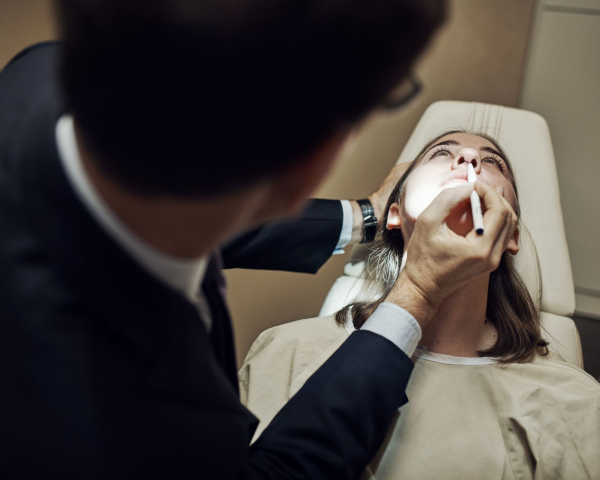
My consult with Dr. Kolker set me at ease. We started out talking casually about my nose—what I liked and disliked about it, any relevant medical concerns, that sort of thing. Then he did an evaluation to see if I'd be a candidate for rhinoplasty. He inspected the inside of my nose to check for a deviated septum (all clear). He examined the thickness of my skin, measured the width of my nose, and checked out the tip, all quick and painless.
Then he took a bunch of pictures from different angles and stepped out to review them. A few minutes later, we sat down in his office to go over the images. He showed me three distinct perspectives: front, profile, and from below, which he called the worm's-eye view. With each photo, he presented a revised image of what my nose could look like with surgery—and, wow, what a rush of happiness! It was honestly everything I was hoping for: smoother and smaller, but still me.
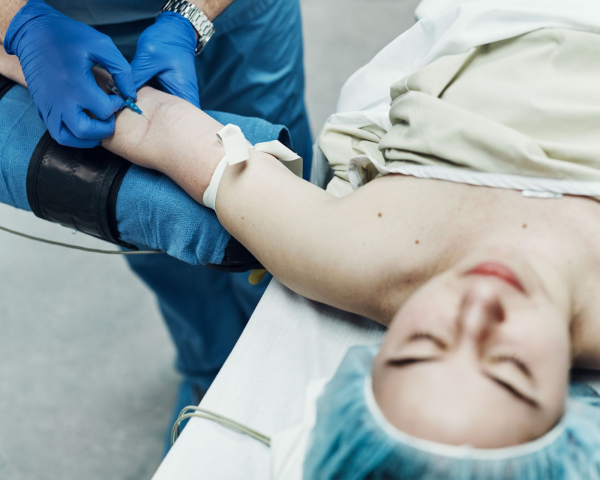
Dr. Kolker then laid out his surgical plan for me: He'd perform an open rhinoplasty, explaining that the difference between an open and closed procedure amounts to a small incision on the underside of the columella (that skinny strip of skin between the nostrils), which can be seen only from below and fades rapidly. Both procedures require incisions inside the nose, but an open rhinoplasty adds that small columellar incision.
The main advantage of an open surgery, he said, is that it increases exposure of the anatomy for improved visualization, which allows the doctor to be more precise in his surgical maneuvers, and eliminates a key risk associated with the closed rhinoplasty, which is a distortion of the results when instruments are retracted through the nostrils. He believed the open method would be safest and most effective for me since he’d essentially be reworking my entire nose—refining not just the bridge but the tip as well.
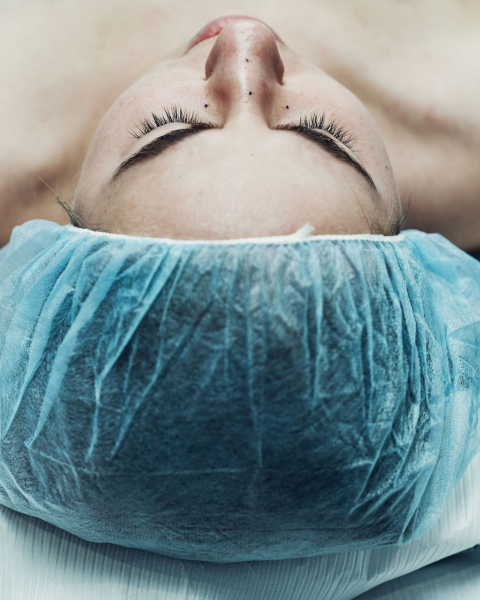
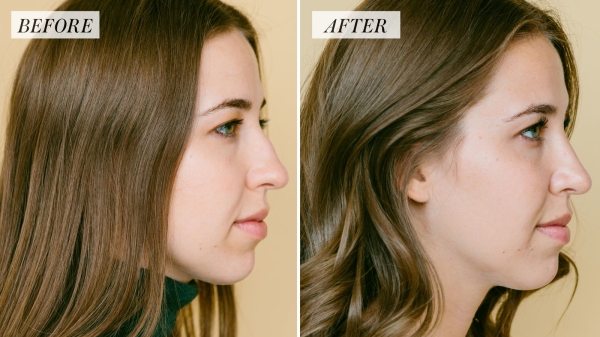
I had wrongly assumed he could simply flatten the hump and be done, but he explained that you can't sculpt one area without considering how it'll impact everything else. If he smoothed the bridge and did nothing else, my nose could wind up looking far too wide from the front. So ultimately, he would need to break my nose and seamlessly draw it in closer to create the precise size and shape I was after. He'd also have to reduce the cartilage at the tip and turn it up slightly, from 91 to 93 degrees. In the end, my nose would be smaller, with a straighter bridge, a refined tip, and more clearly defined nostrils.
Before I left his office, Dr. Kolker took me through some before-and-after shots of some of his rhinoplasty patients. Many of them had noses similar to mine, and their "after" pictures were much like the ones Dr. Kolker had generated for me. He told me that of all the nose jobs he'd done in his career, only one time did he have to go back and operate again, and that was because the patient wanted a more drastic change. That clinched it for me: I knew I was in good hands and that my result would be subtle and not overly "done."
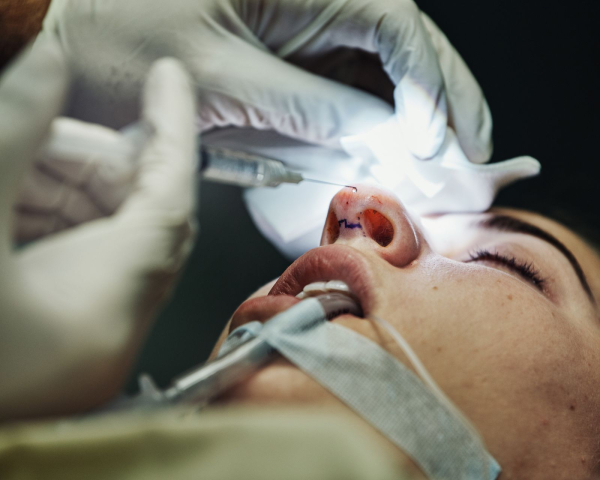
Once we set a date for surgery, Dr. Kolker prescribed various vitamins (C, B12, and zinc) to start taking one week prior to surgery to prep my body for the trauma and help speed recovery. I'd have to avoid red wine and blood thinners (like Advil) for two weeks beforehand. He prescribed pain medication, too, but said I may only need Tylenol post-op because the discomfort isn't all that bad. There would be lots of bruising and swelling, but after six weeks, he said, my appearance should be back to normal, only with a better nose. After three months, I'd be 75 percent healed, but the swelling wouldn't fully subside for one year.
The Surgery
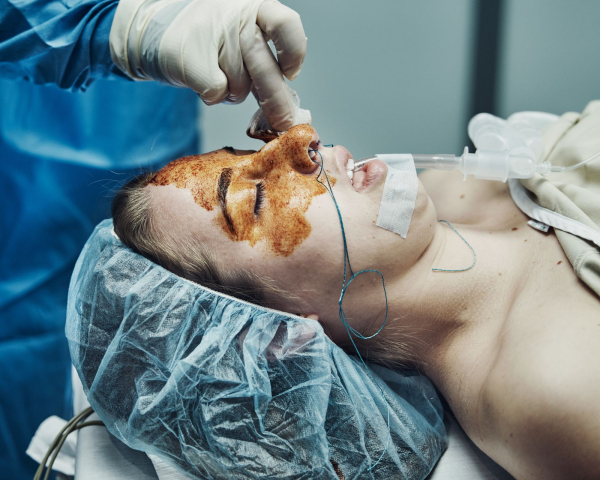
The morning of surgery, I was definitely feeling nervous, but the jitters had actually set in full force the week before. I was mostly anxious about getting everything together and making sure I was as prepared as possible for the recovery period. My biggest worry was the unknown: How would I look and feel? How would others react to seeing me? And there were, of course, some second thoughts, like, Do I really need this? Is this actually going to make me happier and more self-confident? I was even feeling a little guilty about the superficial nature of the whole thing — like, a nose job is not something I truly need. But I knew if I decided, last minute, to pull the plug on the operation, I'd regret it, because I'd still be unhappy with my nose—and that realization outweighed all of my fears.
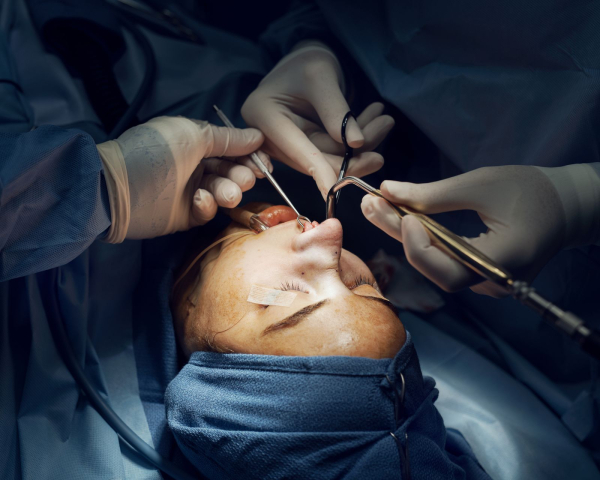
My roommate, Kelsi, who's also my childhood best friend, came with me to Dr. Kolker's office. After a few final checks, Dr. Kolker took more pictures, then marked up my nose. He said people generally puff up under anesthesia, and things can get distorted, so this, in his words, "helps keep him honest." A nurse led me into the OR, and the last thing I remember before going under was this feeling of deep gratitude and thanking everyone there for playing a part in helping me feel better about myself.
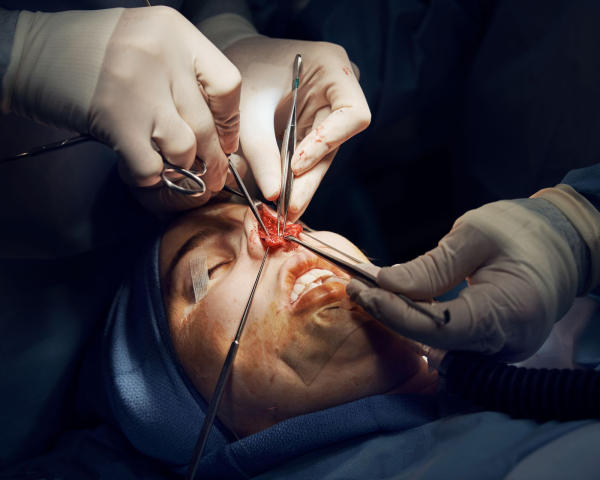
I awoke from surgery feeling just as overwhelmed and then crying happy tears. I blame the drugs…in part, anyway. I was in the recovery room with a splint on my nose. I had to go to the bathroom, and I remember feeling sort of drunk as I walked down the hall (again, drugs). When I got to the restroom, I thought, Should I look in the mirror? I did, very quickly, and what a relief! I could see the tip of my nose, and it already looked different. I figured if the splint was any indication of my new shape, I'd be thrilled, as it resembled a very smooth ski slope.
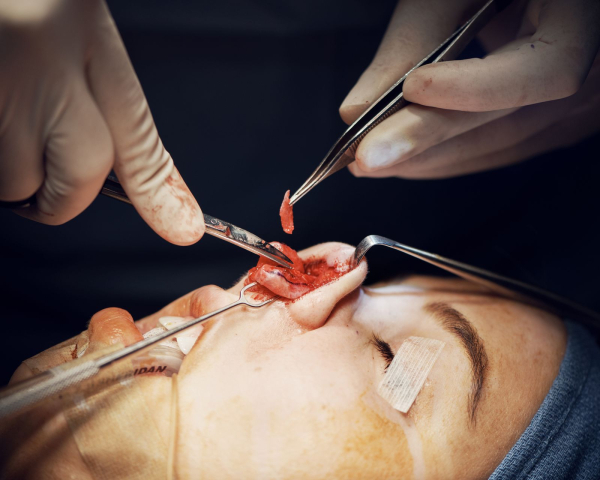
I had gauze under my nose to catch the blood but otherwise looked pretty normal, as the swelling and bruising hadn't set in yet. I wasn't in much pain—I described the sensation to a nurse as a bad sunburn, tight and sore. I could breathe so freely through my nose, which was something new for me. Dr. Kolker had fixed a valve in there—a sweet bonus.
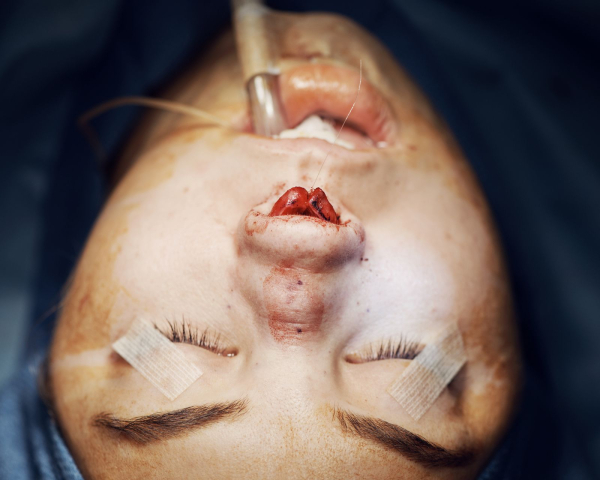
The Recovery
When Kelsi took me home shortly after I woke up, I felt fine. We talked and watched TV, then I dozed off for a bit. I couldn't stay awake for more than an hour or two before needing to rest. My throat was raw from the breathing tube. And it hurt to laugh. When the hospital meds wore off, I had a full-on headache, almost like severe caffeine withdrawal. But the discomfort never got so bad that I needed Percocet; Tylenol alone made it manageable. That first night, I thought I'd sleep terribly, but I was out cold from 9:30 p.m. to 6 a.m. It was tricky settling in, though, because I had to sleep with my head propped up on several pillows to minimize swelling, which isn't exactly easy for a side sleeper.
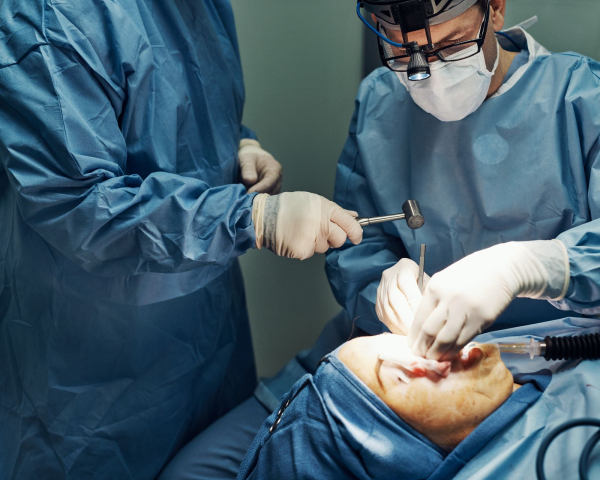
By the next day, I was looking more like a monster and didn't want to see anyone. The bruises around my eyes shined a bright greenish-purple, and I was swollen all over with some intense pressure in my head. I couldn't breathe through my nose anymore, because of all the blood and swelling. I felt congested and uncomfortable, almost like I had a bad cold, but again, nothing Tylenol couldn't handle. But I fully expected this, as Dr. Kolker said it could take two weeks for everything to run its course.
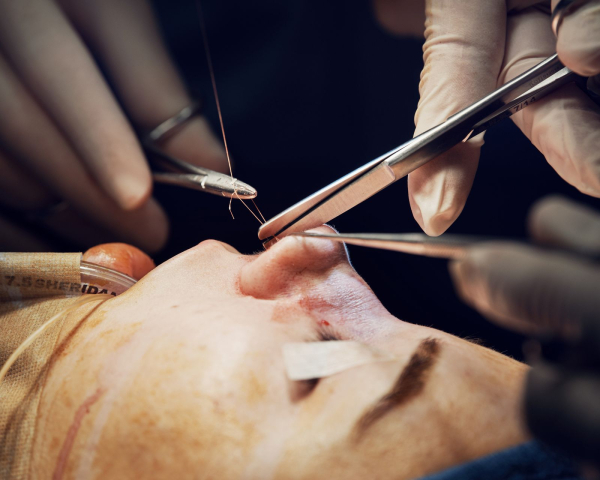
With each day that passed, I felt a bit better. My surgery was on a Monday, and by Thursday I was well enough to do some work from home, like answering emails. On Friday night, I went to see a movie, and it felt so great to be out. (At that point, the swelling had dropped to my jaw, the bruises had faded, and I looked fairly sane, save for the splint.) I spent most of the weekend running errands, working, and enjoying spring in Central Park. It was a little weird to be out in the splint, but not bad enough to keep me cooped up in my apartment. And I think being active helped me rebound faster.
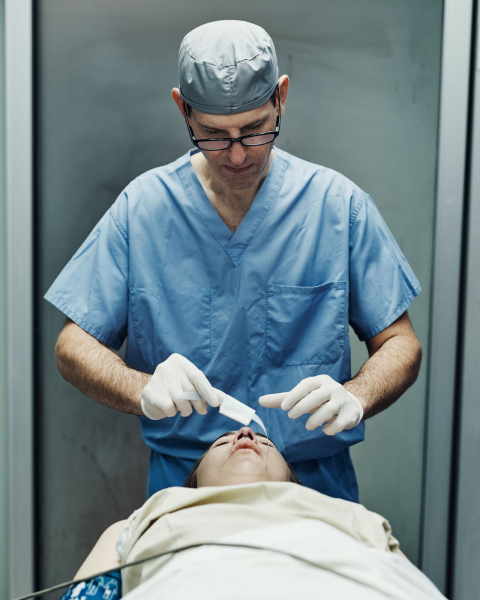
On Monday—seven days after surgery—I was officially back at work and got my splint removed, too. When Dr. Kolker handed me the mirror for the big reveal, I almost didn't want to look. But when I did, I literally cried tears of joy. I truly hated my nose before, and suddenly it was so cute. It's tinier, and I love that the tip doesn't jut out the way it used to. I can't believe this is my new nose! It’s a wonderful relief to finally be proud of a feature that never felt right to me.

My Results Three Months Later
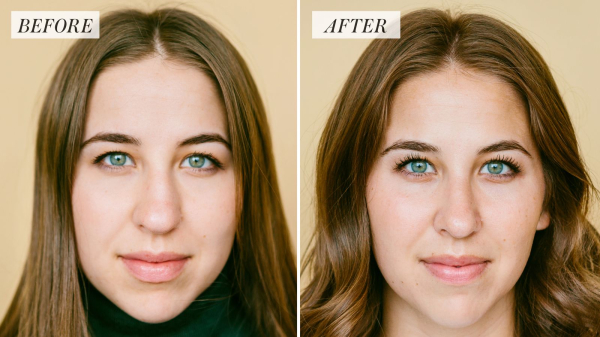
This experience has been life-changing. My new nose is absolute perfection, and I haven't experienced a tinge of regret. I've felt so completely taken care of by Dr. Kolker and his team, and have received so much support from my friends and family. My mom and sister still ask for pictures every day.
 Hannah Choi/Allure
When you're in the thick of the recovery, it seems like you're going to look and feel that way forever. But honestly, I moved through it so quickly. Days two and three were the toughest, but witnessing my body heal like that was pretty incredible. Each day, I looked considerably different from the day before, which is strange—you really can't get too attached to any one image in the mirror because you know it's still evolving.
Before surgery, friends and family would say they didn't see anything wrong with my nose, but to have something that's so personal and integral to you feel so wrong…it's exhausting and disheartening. Now I feel not only more beautiful but way more comfortable in my own skin — just like my mom. And now those same friends see the difference and compliment me.
Update, June 2026: Eight Years Post-Procedure
It's been almost a decade since my surgery, and I still absolutely love my results. The outcome was—and is—exactly what I was hoping for. Dr. Kolker was incredible at understanding both my desired outcome and what would suit me personally, rather than chasing trends or trying to replicate a celebrity. I think his expertise played a huge role in how happy I remain with the results—because I still feel like me.
Before, my nose never quite matched how I pictured myself in my mind. Now, when I catch my reflection, it aligns with that internal image. That feeling is something that makes me happy every time I look in the mirror.
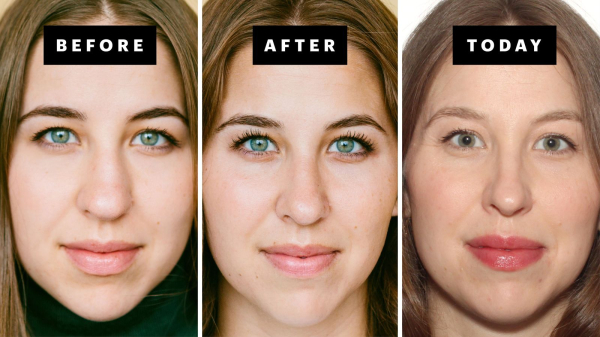
From left: before surgery, three months after surgery, and eight years after surgery.
Photography by Hannah Choi; courtesy of subject
I was fully prepared that it takes up to 12 months to properly heal, but it was still quite strange seeing myself puffy and swollen in the areas around my nose for a couple of months post-procedure. For someone considering rhinoplasty, I would recommend making sure you have two to four months to heal before any major events (or pictures taken). Trust me, it's not an accurate depiction of what your nose will look like.
Looking back, there was really only one thing that surprised me post-procedure. While my intended purpose for surgery was cosmetic, Dr. Kolker was able to repair my internal nasal valve. This allows me to breathe so much better—and taking a full, deep inhale still feels amazing eight years later. That said, because airflow has improved, I do find that I need tissues more often, especially in the winter or during allergy season. It’s a small trade-off that I didn’t know going into surgery, but one I’d choose every time for the ability to breathe better.
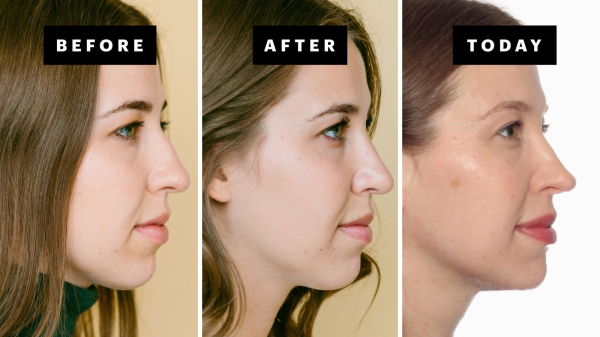
Another angle, from left: before surgery, three months after surgery, and eight years after surgery.
Photography by Hannah Choi; courtesy of subject
All in all, I would absolutely do it again—as long as I could see the same plastic surgeon. Having a doctor you trust—someone who truly understands your vision and your facial proportions—is crucial. A surgery like this is something you live with every single day, and there’s nothing more important than choosing the right physician for your care.
I’m so happy with my results and feel so comfortable in my own skin that I would not change anything. I think that’s also why I haven’t pursued other procedures—this one felt deeply personal and specific to me.
On a personal note, I’ve had people reach out to me over the years after reading my story. After doing my own internal work—shoutout to my incredible therapist—I truly believe no one needs to change anything about themselves. You are perfect the way you are and however you show up in the world. Whether it's surgery or no surgery, do what is best for you.

Kat Dennings Did Her Pierced Chrome French Manicure Herself — See Photos
 Photo: Getty ImagesSave this storySave this story
Oh, you thought Hailey Bieber was the only celebrity attempting their own nail art? Pshaw. Might I direct your attention to one Kat Dennings, who is not merely attempting her own manicure masterpieces but actually, thoroughly killing it.
You may recall when, last summer, Dennings decorated her nails in stick-on gems—a concept that has exploded into a full-blown trend in 2026. And if her nail-fad foresight is still keen, you can expect that her latest DIY manicure, a two-tone chrome creation, is going to see plenty of copycats. (Copy Kats? Ugh, I'm sorry.)
On Sunday, the Shifting Gears star posted a photo of her at-home nail station, featuring a pink silicone mat that houses a gel lamp, four polishes, an array of tools, and studs in both silver and gold. “Nail time is my favorite time,” she wrote. Later that day, Dennings posted the amazing results: a pierced-look mixed-metal manicure with French tips and a variety of accent designs.
Instagram content
So, you know how nearly naked nails have been a thing for the last couple of years? Yeah, Dennings is not having it.
“I’ve been reading all of these articles about bare nails being the new status symbol, and it is so ludicrous that it made me want extra loud and fun nail art,” Dennings tells Allure. “I saw a picture of a rainbow pierced manicure—I actually made a TikTok about it—and was inspired to try. I also have been wanting silver chrome, so I just decided to combine the two.”
Dennings admits that she struggled with the chrome application and had to redo a couple of nails, but she triumphed in the end.
“I just freestyled different designs on each nail and tried to keep them cohesive but special,” she says. “They took me three hours, but it was worth it.” Agree.
Her Instagram reel has garnered thousands of likes, and even got the fire emojis of approval from nail artist Tom Bachik.
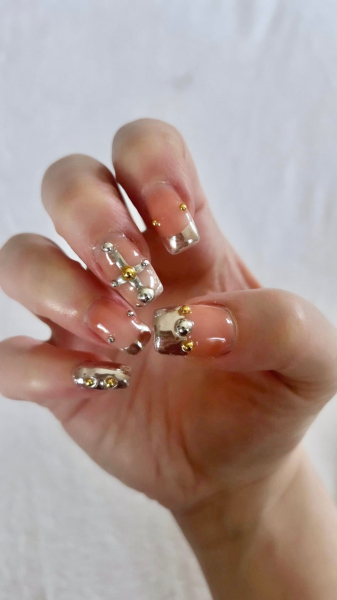 Photo: Kat Dennings
Dennings tells Allure that she's well aware that, while some folks say bare nails are associated with being too busy with hoity-toity stuff to get your nails done, others are saying the trend is due to nail art being expensive.
“I totally get that, and everyone should wear their nails however they want,” she says. “But I started doing my own nails because I couldn’t afford regular manicures, and I never looked back. Now I can afford it, but it’s just my creative outlet.”
It's also a full-fledged, completely inspiring talent.
For Marilyn Monroe’s 100th Birthday, Let’s Stop Exploiting Tragic Dead Beauties
 Photo: Getty Images, CourtesySave this storySave this story
Marilyn Monroe is probably one of the most misquoted celebrities. A quick search turns up numerous graphics with one of her famous images overlaid with something like, “Well-behaved women seldom make history”—which she absolutely did not say—in a tacky font.
One thing Monroe did, in fact, say: “Am I a commodity? I don't look at myself that way, but I'm sure one corporation in particular has.” She said it in 1962, shortly before her death, to Life editor Richard Meryman during a conversation now encapsulated in the new book Marilyn: The Lost Photographs, The Last Interview. She didn’t say outright what corporation she was referring to, but it was likely one of the film studios; she worked most with 20th Century Fox.
Monroe was obviously aware of how she could be exploited, but there was no way she could imagine the kind of Marilyn Monroe merchandise that would come to proliferate decades later. June 1, 2026, would have been her 100th birthday, and it has arrived along with an inevitable surge of products—many of them beauty products—supposedly infused with her mystique.
A few months ago, I bemoaned the influx of PR pitches using Carolyn Bessette-Kennedy to push their clients’ products—headbands and lipsticks and moisturizers that brands and their publicists said evoked Bessette-Kennedy’s signature style. Of course, these are products that she never had a chance to use, let alone approve the use of her image to promote—an unlikely scenario based on the privacy she fiercely guarded up until her death. A few people in Allure’s Instagram comments didn’t see what all the fuss was about, citing Marilyn Monroe as an example of someone who also died tragically in her 30s and is, to all appearances, freely marketed to us. There is, however, a difference.
When Marilyn Monroe died of a barbiturate overdose on August 4, 1962, her estate was left to her acting coach, Lee Strasberg, who left it to his wife, Anna. In 2011, Anna sold the intellectual property and commercial rights to the Authentic Brands Group. In other words, while the use of Bessette-Kennedy in marketing pitches is legally questionable, there’s a team overseeing and actively licensing the usage of Monroe’s image.
But does that constitute a moral difference?
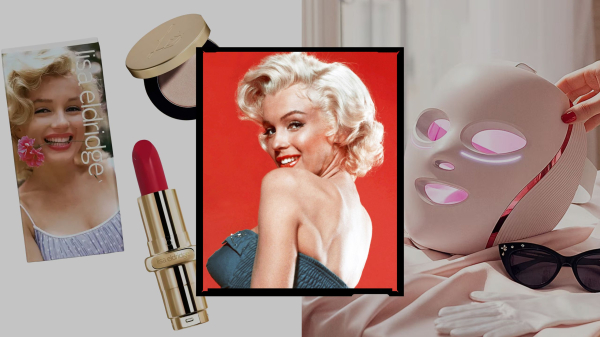
Currently, there are two dozen brands participating in Marilyn Monroe partnerships specifically surrounding her 100th birthday via Authentic Brands Group, four of which are beauty brands. Color Street is offering nail polish strips with Marilyn Monroe motifs; Ipsy has designed Monroe-inspired bags for its June subscription box; Shark launched a Marilyn Monroe edition of its CryoGlow LED Face Mask; and Lisa Eldridge is offering a makeup collection inspired by photos of Monroe taken by Sam Shaw.
In many ways, cosmetic products celebrating Marilyn Monroe make a lot of sense. There’s no doubt that Monroe was and continues to be one of the most influential beauties in our culture. In a 2012 Allure story, writer Rebecca Mead explored exactly why Monroe's image endures: "She wasn't Hollywood's first voluptuous, fair-haired beauty. She wasn't even Hollywood's first voluptuous, fair-haired beauty who died at a tragically young age: That would be Jean Harlow… But Monroe is the one whose beauty is so instantly recognizable that it can be indicated merely by a handful of components: blonde bouffant hair; sleepy, half-shut eyes; slightly parted lips on the verge of a welcoming smile." And then of course there are the intangibles—her dynamism, but also her vulnerability and almost childlike quality.
Her erstwhile willingness to be a celebrity is not a posthumous permission slip to assume she’d sign off on Monroe merch.
“Throughout time, throughout history, she's probably the most replicated look—the iconic red lips or her beauty mark or her shade of blonde is probably the most replicated,” Dana Carpenter, executive vice president, entertainment, at Authentic Brands Group told me in a recent interview. I asked Carpenter if that means any beauty brand that has the money—she wouldn’t reveal the cost of licensing—can slap Monroe’s image on a freckle pen.
Thankfully, no. “The consumer is very smart. They can see through things that look like a money grab,” Carpenter assures me, adding that the partnership has to feel “thoughtful and organic” with “true Marilyn DNA” in the storyline the brand is bringing forth. It’s unclear how that’s determined or how a Marilyn Monroe LED face mask is part of the DNA of a woman who passed away in the early ‘60s.
Look, I love the CryoGlow, as do many other members of the Allure team. But the idea of a Marilyn Monroe edition of the device is completely absurd to me. Would the “Ruby Glow” colorway—apparently the only thing that makes it Marilyn—really be the tipping point for someone who was on the fence about splurging on it? The Lisa Eldridge collection, on the other hand, does feel “thoughtful and organic,” as Carpenter said, with shades directly influenced by specific images of Monroe: The carnation pink Amagansett shade of Rouge Experience Lipstick looks like a color she would have worn, and Elevated Glow Balm Concentrate in the shade Butterfly Lighting is named after a classic Hollywood lighting technique.
“Discover the inspirations and references behind the collaboration,” the Lisa Eldridge website suggests. But can you really “collaborate” with someone who has been dead for 64 years? No matter who holds the rights to Monroe’s estate, and no matter how intense their parasocial relationship with her may be, there’s truly no way to know if she would have wanted any of this.
Bessette-Kennedy never wanted to be famous, which has made her commodification especially odious. While Marilyn Monroe told Life editor Meryman that her goal wasn’t necessarily to become famous, she did welcome it. And once it was clear that she was a star, she felt a responsibility to the people who admired her—to look and act a certain way in public. But this self-imposed sense of responsibility was likely never something she considered beyond her life. She didn’t even presume that she was guaranteed to remain famous had she lived longer. And even if she had, her erstwhile willingness to be a celebrity is not a posthumous permission slip to assume she’d sign off on Monroe merch.
“Fame is a passing thing,” she told Meryman, unaware that her own celebrity would outlive her well into a new century and oblivious to how her face, her body, even her handwriting would be seized on by corporate design teams looking to sell handheld vacuums, engraved crystal caviar servers, and Supima cotton pique polos. “Fame is also a burden,” she continued in that interview.
Marilyn Monroe is not alive to carry that burden, and at this point, there’s a strong chance she wouldn’t have lived to see these birthday collections even if she hadn’t died so tragically young. Monroe’s beauty, talent, charm, and troubled life story would likely still fuel a persistent demand for merchandise. And while making money off her memory may not be the most pure-of-heart business endeavor, the fans who buy this merch open their wallets in admiration. But with many of these products, you have to ask, admiration for whom? Or what?
All That Glitters Is Olandria’s Gilded Birthday Makeup
 Collage: Adobe Stock; Source images: Courtesy of @kimoramulanSave this storySave this story
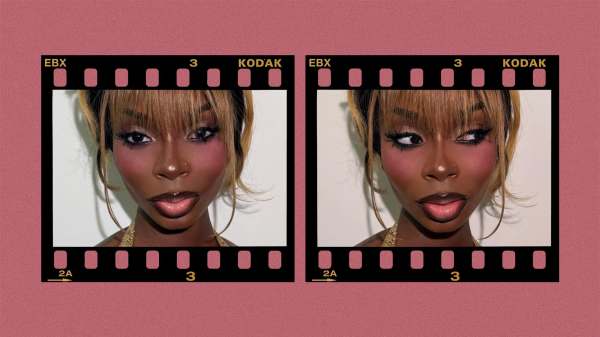
We know summer officially starts on June 21, but for us, it began on Olandria Carthen’s birthday. The Love Island star marked the occasion on May 29, during the hottest week of the year (and we’re not talking temperatures). Miami Swim Week brings some of the biggest (and sexiest) names to South Beach, and towards the end of the week-long festivities, Carthen gathered friends at Miami Beach hot-spot, Papi Steak, to celebrate another year of being hot—as she should.
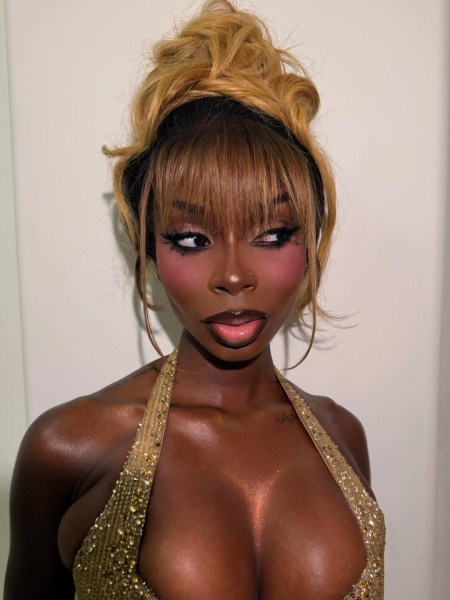
While the birthday girl is usually the one getting all the presents, the now 28-year-old partnered with Anastasia Beverly Hills to gift her fans with a sultry, golden glam—complete with her signature Barbie-pink blush. Makeup artist Kimora Mulan created the bold look featuring dark lip liner, fluttery lashes, and gold shimmer that stretched from her lids to her décolletage.
Mulan and Carthen speak in code when planning their glam, and when asked what vibe she wanted for her birthday, Carthen said, “Let’s give Barbie tonight.” “That means real dolly, cutesy glam with extra blush and sultry lashes,” Mulan explains. The pair tapped into some of summer 2026’s biggest makeup trends for her birthday look—namely, body glitter, reflective lids, and matte skin.
You may cringe when you hear the words matte makeup—we get it, we have horrific flashbacks of our crackly 2016 base, too—but in 2026, a matte complexion has a soft, blurred effect that gives more natural-looking Instagram filter and less dry, thirsty skin with foundation slathered on top.
 Save to wishlist
Dior
Forever Skin Wear Blurring Natural Matte Foundation
Sephora
Ulta Beauty
Sephora
 Save to wishlist
Anastasia Beverly Hills
Impeccable Blurring Second-Skin Matte Foundation
Anastasia Beverly Hills
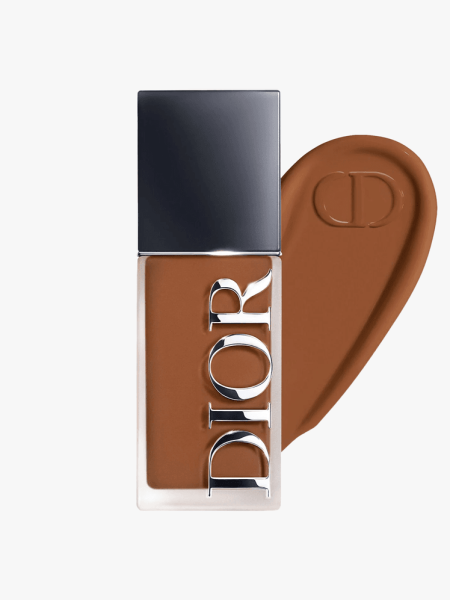
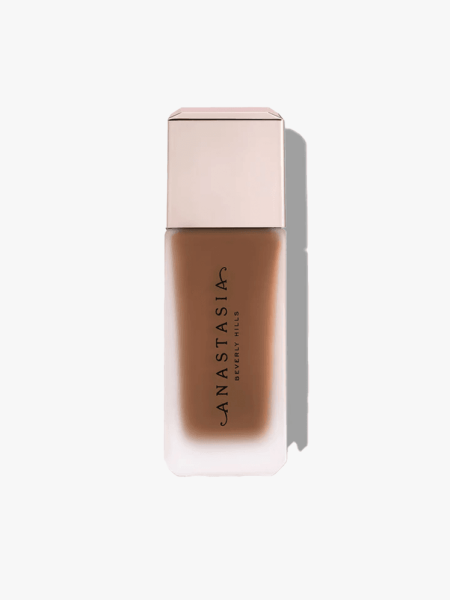
To achieve this modern, matte look, Mulan used the Anastasia Beverly Hills Impeccable Blurring Second-Skin Matte Foundation in the shade 6WO. The medium-to-full coverage formula undoubtedly contributed to Carthen's velvety smooth complexion. (The new Dior Forever Skin Wear Blurring Natural Matte Foundation, an Allure editor favorite, also delivers an airbrushed finish without feeling heavy on the skin). When working with matte products, Mulan says, “the key is making sure you still prep the skin with a great moisturizer and eye serum.”
 Courtesy of @Kimoramulan
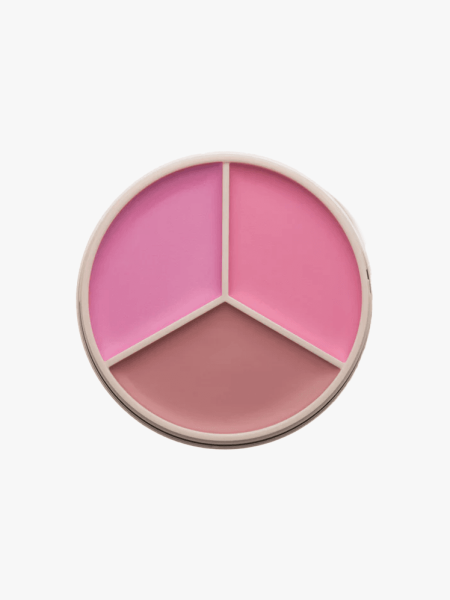
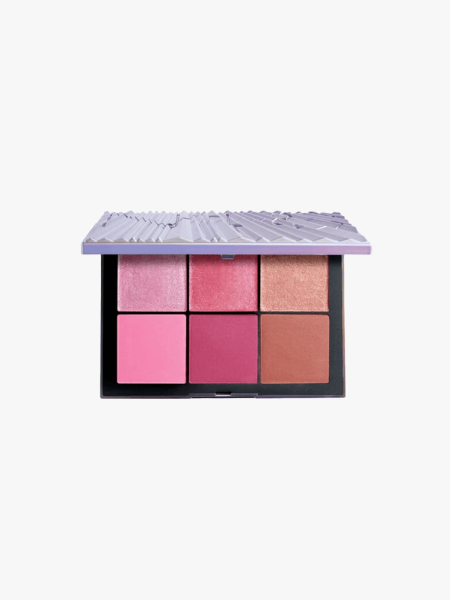
Carthen stuck with her signature bold blush look, combining cream shades from both the Anastasia Beverly Hills Magic Touch Blush Trio in Pink and Berry/Rose to create a punchy, diffused flush on the cheeks—perfectly on theme with her Barbie vibe. If you prefer a powder blush versus cream or liquid, the Nars Ethereal Aura Blush Palette in New Realm also has a mix of bright pink and berry blushes that layer well to create this trendy, transitional blush look.
 Save to wishlist
Anastasia Beverly Hills
Blush Trio
Anastasia Beverly Hills
 Save to wishlist
NARS
Ethereal Aura Blush Palette in New Realm
Nars Cosmetics
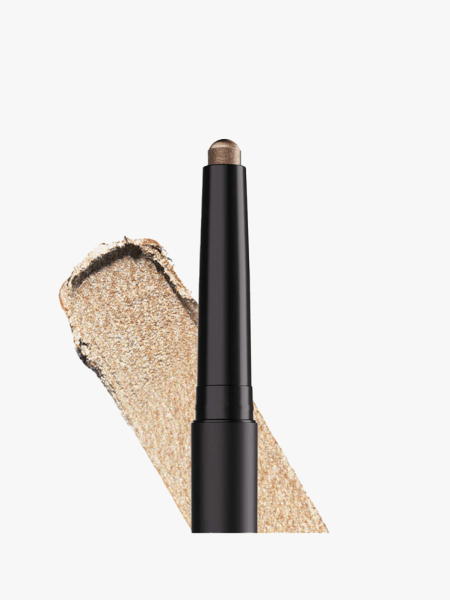
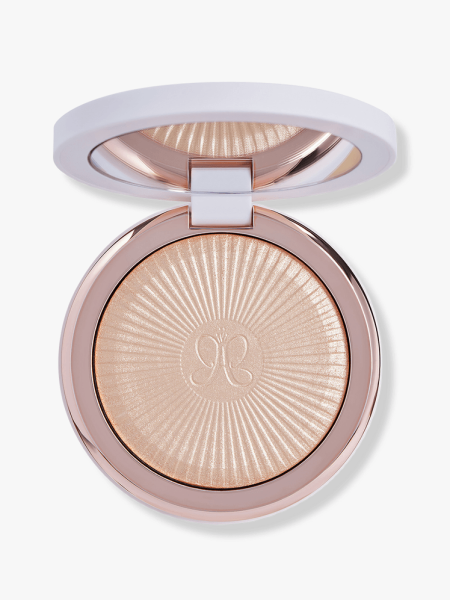
Carthen’s flushy cheeks are definitely the focus of this makeup look, but her golden lids and dazzling décolletage are no less mesmerizing. Mulan used the ABH Glidr Eyeshadow Stick in Sunny across the lids for a touch of 24-karat shimmer that twinkled behind Carthen’s thick lashes and dark eyeliner. “I added a pop of Glow Seeker Highlighter to the inner corners of her eyes and topped it off with a sultry cat-eye to keep the look sexy,” Mulan adds.
 Save to wishlist
Nyx Professional Makeup
Fat Oil Body Oil Coconut Cutie
Nyx Professional Makeup
 Save to wishlist
Anastasia Beverly Hills
Glidr Eyeshadow Stick
Anastasia Beverly Hills
 Save to wishlist
Anastasia Beverly Hills
Glow Seeker Powder Highlighter
Ulta Beauty
Anastasia Beverly Hills
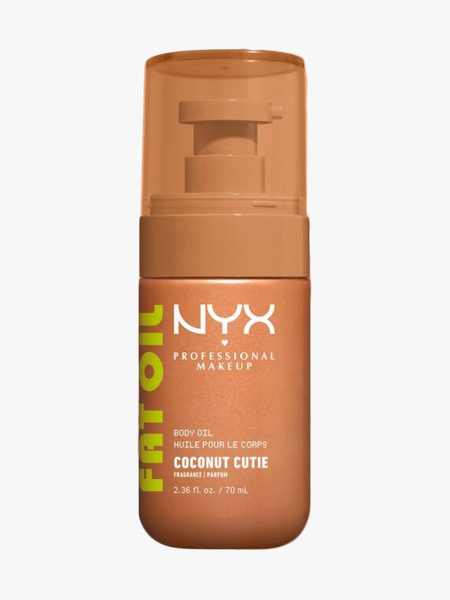
“The body is part of the canvas too,” makeup artist Ash K. Holm previously told Allure—this philosophy is central to Carthen’s makeup looks. No, seriously, we’ve never seen this girl not glistening. And for her birthday, her body glow was as blinding as ever—Mulan placed a warm golden shimmer pigment artfully along her sternum. The NYX Fat Oil Body Oil in Coconut Cutie, swiped across the chest, will do the trick if you’re looking to replicate this sparkly, Y2K-inspired effect.
To top off the look, Carthen’s lips were deeply lined with the Anastasia Beverly Hills lip liner in Obscura and topped with an ultra-shiny combination of peach- and clear-colored lip glosses.
Consider us inspired and now, well-equipped to recreate this look. Even if you’re not a summer baby, this golden statement glam can be pulled out for that concert you just bought tickets for in August, the July wedding you can’t wait to attend, or just another summer night out with your girls.
Summer 2026’s Short Nail Designs Prove Natural Nails Don’t Have to Be Boring
 Courtesy of @peachinails and @matejanovaSave this storySave this story
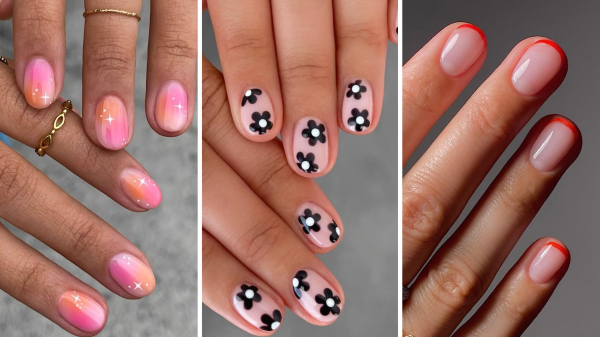
Sure, long tips wrapped around an icy cocktail glass will always exude summer elegance—but don’t count short nails out. They can carry trendy motifs and impactful adornments just as well as longer nails. In fact, Maryna Slynko, a nail artist in Overland Park, Kansas, has noticed people with short, natural nails are asking more often for “designs that feel modern, elevated, and visually interesting.”
Nail pros are seeing a surge in popular seasonal designs like fruits, flowers, and seashells, combined with trendy elements including rhinestones, shimmering cat eyes, and jelly finishes. Polka dots and micro-French tips are popular for short nails year-round because “they add dimension and personality without overwhelming the nail shape,” says Natalia Mercedes, a nail artist in New York City—but they’re getting a summer twist. Expect to see even tinier dots and minuscule French tips atop jelly polishes in summery shades like fuchsia and blood orange.
Summer is the perfect time to pull out all the stops and try more elaborate art on your natural nails. After all, those extensions that looked so good at your dinner and drinks might not prove as fun at the beach or water park. Keep reading for the top designs that look especially great on short nails and make for stylish vacation manicures.
Airbrush nails
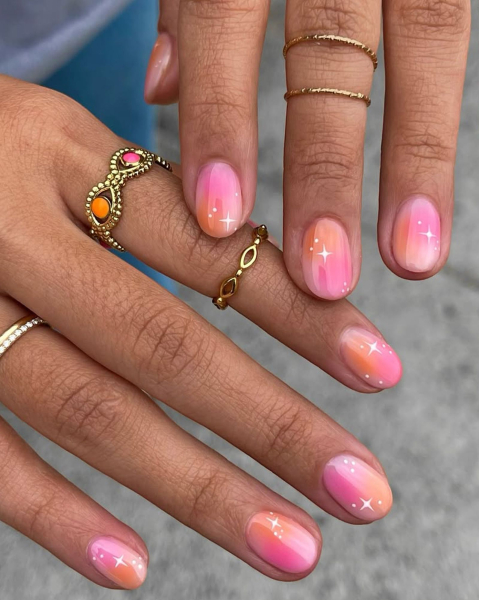 Courtesy of @peachinailsCourtesy of @nails.by.leinani
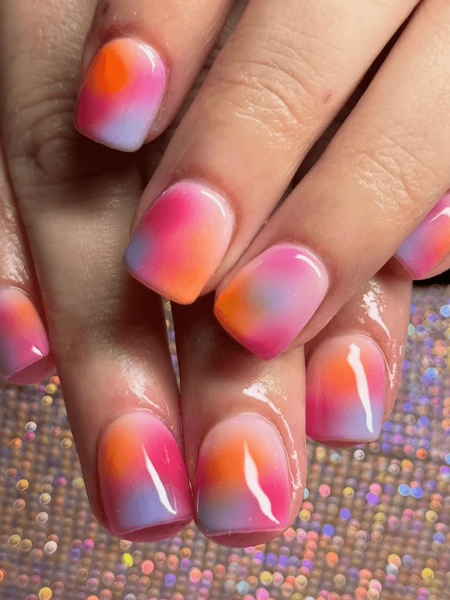 Courtesy of @dripgirlsrgv
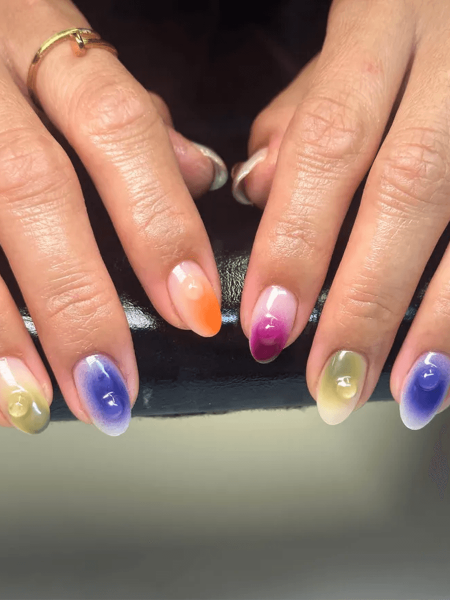 Courtesy of @afreshset
Airbrushed nails bring all the Y2K vibes to your fingertips. The look, which features splashes of color made with the airbrush device, lends itself to short nails, explains Slynko, creating “depth and movement without heavy elements.”
This summer’s version of airbrushed nails is extra soft and diffused. Add a cat-eye base or a few rhinestones to the look for a touch of bling, and you’ve got a cute manicure that’s both nostalgic and modern.
Polka dot nails
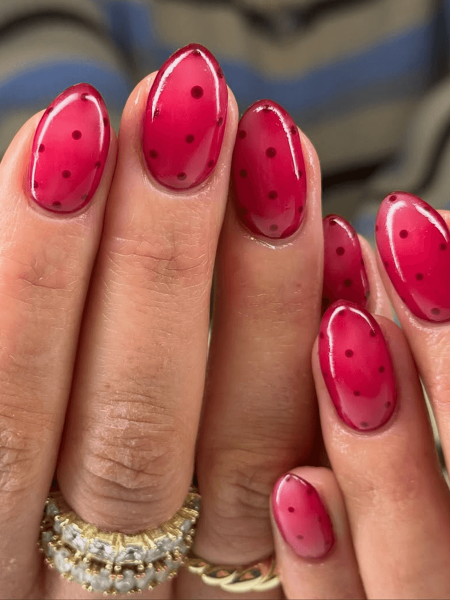 Courtesy of @nailswithjennym
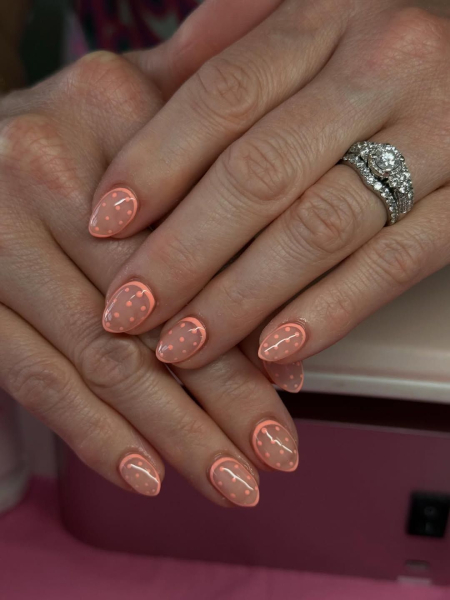 Courtesy of @glossedupsalonllc
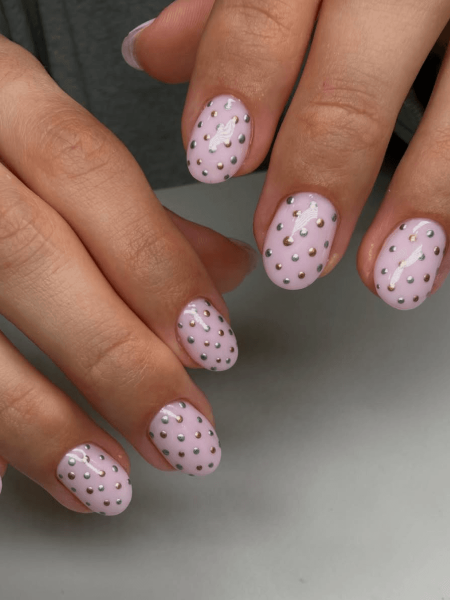 Courtesy of @slynko.beauty_kc
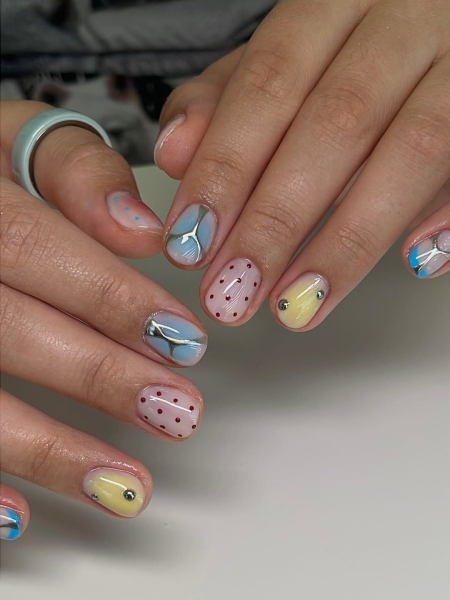 Courtesy of @nails.miastudio
Last year’s obsession with polka dots was a nod to a retro Italian summer (limoncello included), while this year it’s all about taking the design into the future. Stars including Joey King and Vanessa Hudgens have been keeping the trend alive, modernizing it by adding cat-eye shimmer and cute bug details.
Polka dots are also being wrapped in metallic finishes, layered atop shimmery cat-eye bases, and embossed with jelly polishes. “These subtle details are what make short nails feel polished and refined,” says Slynko.
For summer 2026, Miss Pop, a nail artist in New York City, adds that polka dots are getting even smaller. “I used to place macro-dots in the corner of the nail, but now we’re seeing teeny-tiny micro-dots,” says Miss Pop. “On short nails, you can cover the full surface, and it’s minimal, but also maximalist in the sense that it’s all over the nail.”
Jelly micro-French nails
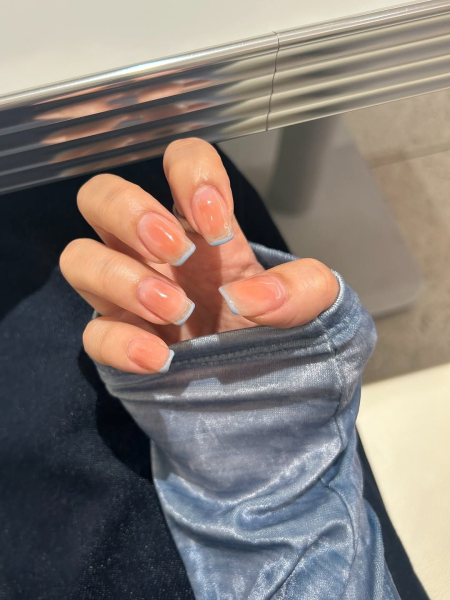 Courtesy of @yuiko_hysd
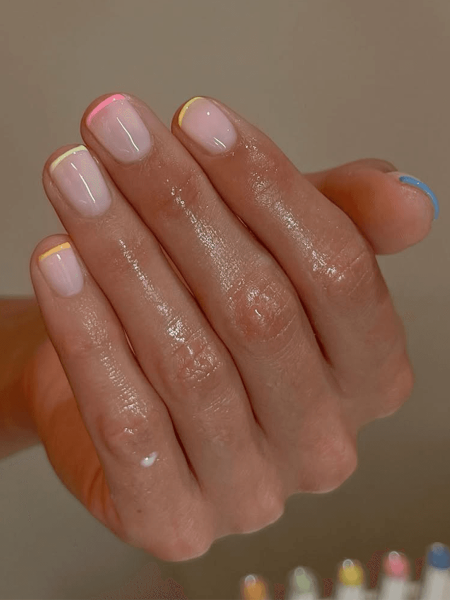 Courtesy of @corrinnabianca
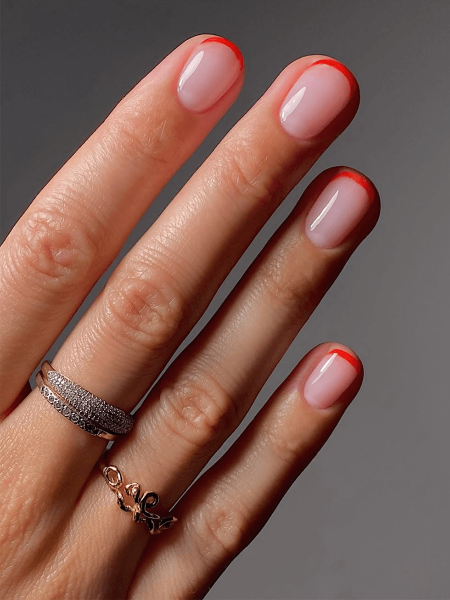 Courtesy of @matejanova
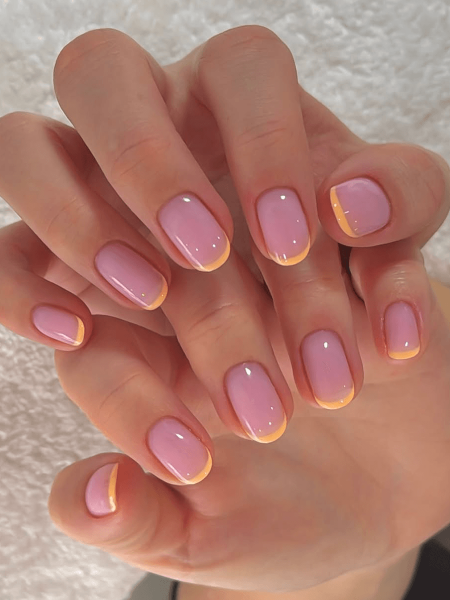 Courtesy of @gellish.studio
Some natural nail lovers are true minimalists, and for that crowd, the prettiest and simplest design you can get is a micro-French. It’s an especially good option for those with very short nails since it requires so little space. If you have even a sliver of a white edge on your nails, a micro-French manicure will look good. “I’m so sad when I do a micro-French on a long nail because it looks so much better on short nails,” says Miss Pop.
Micro-French tips are popular year-round, but this summer there’s an added wash of color, thanks to semitranslucent jelly polish. It’s “such a beautiful little treat,” says Miss Pop. Whether it’s at the center of the nail or all over, it adds an extra layer of dimension.
The simplest way to create a micro-French tip is with a tool like the Le Mini Macaron Le Frenchie Nail Stamper. Just brush your polish onto the silicone stamper and press the very tip of your nail into the stamper. (The brand recommends doing so at a 45-degree angle to achieve that slightly rounded arch.) Add that layer of sheer color (we recommend the Essie Nail Art Studio Jelly collection for an array of color options), then finish with an extra-glossy topcoat.
Fruit nails
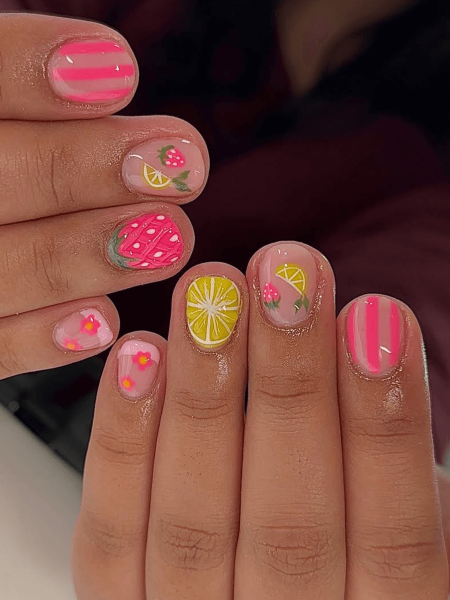 Courtesy of @nailsby._itzel
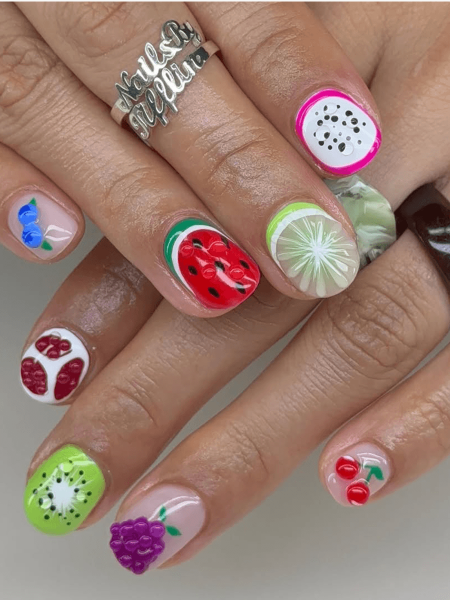 Courtesy of @nailsbytifflin
Micro-fruit nails were especially trendy last summer when fashion and fragrance brands (like Jacquemus and Phlur) leaned into fruits, including cherry and strawberry. The summer 2026 take includes mixing this adorable motif with other minimal designs like stripes, French tips, and beaded details. The result? A detailed manicure that turns heads without looking busy.
For short nails, we’re zooming in on the cute design. Instead of mini berries clustered on the nail, “you can cover the whole nail with a single strawberry,” says Miss Pop. “This gives the design a more three-dimensional element,” she adds, noting that texture and dimension are big underlying trends this season.
Short seashell nails
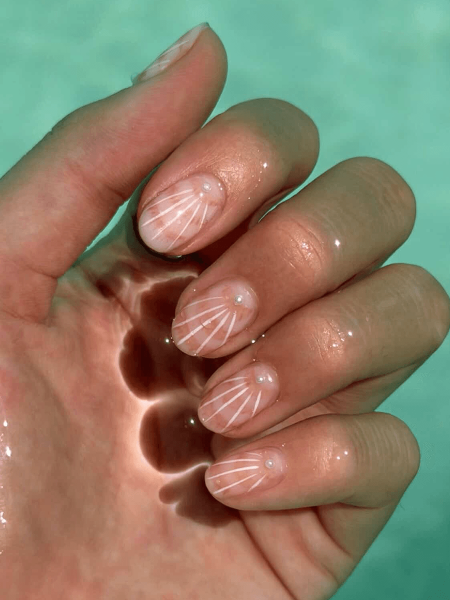 Courtesy of @concon_wi
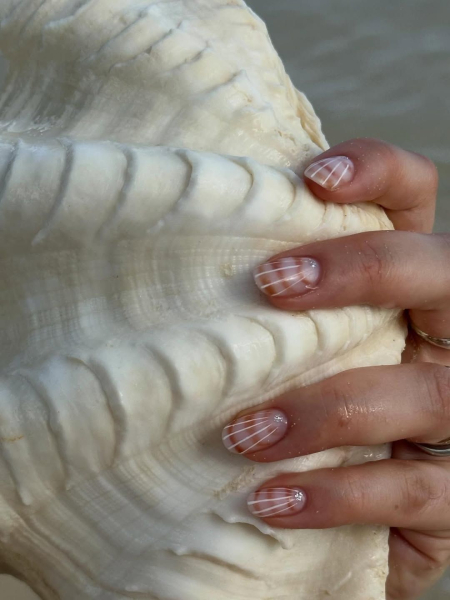 Courtesy of @kalalastrzelbicka
Seashell nails evoke the feeling of hunting for shells and sand dollars on the beach. The seasonal design makes its way onto our feeds every summer, and this year, many of those seashell manicures we’ve been seeing are on short nails. The horizontal lines or ridges in the design elongate, making short, natural nails look instantly elegant. “On short nails, the basic seashell pattern looks even punchier since it’s on a smaller canvas,” says Eunice Park, a nail artist in Los Angeles and brand director at Aprés Nail. “It looks really cute and impactful.”
And this summer’s seashell nails are more realistic than ever. “I’ve seen shell nails on TikTok held next to an oyster shell and the nails look almost exactly like the real thing,” says Park, who adds that previous versions of the trend were more artistic: curved, vertical, 3D gel ridges polished with pearlescent chrome powder.
On short nails, Miss Pop recommends adding a small pearl in the center of the nail near the cuticle to add to the illusion of length. “When the point of interest is all the way down at the bottom or at the cuticle line, it makes the nail look longer,” she says.
Short floral nails
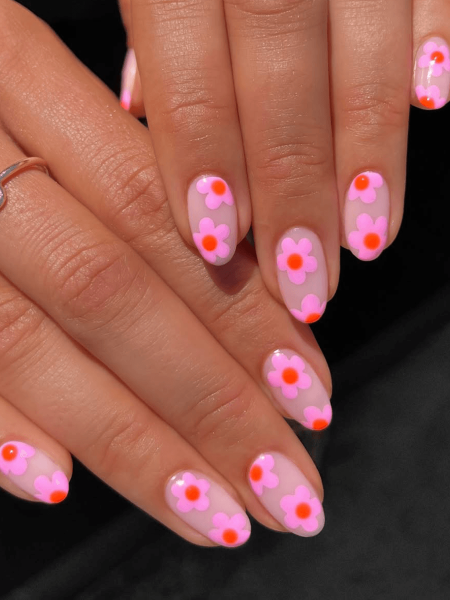 Courtesy of @peachinail
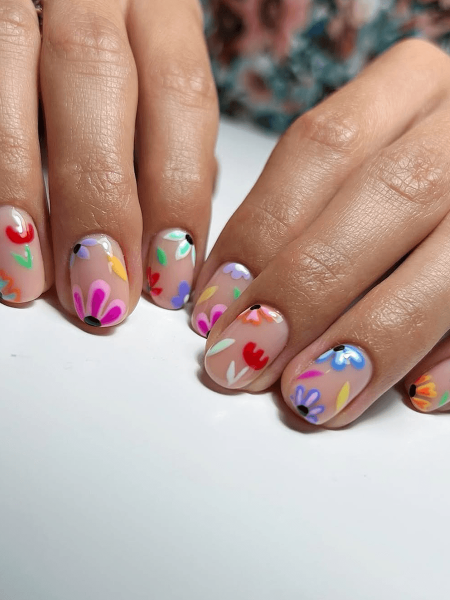 Courtesy of @_by_shelley
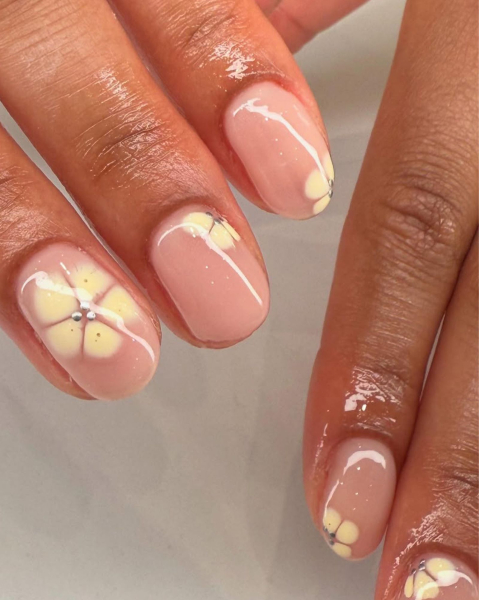 Courtesy of @thebeautyassembly_
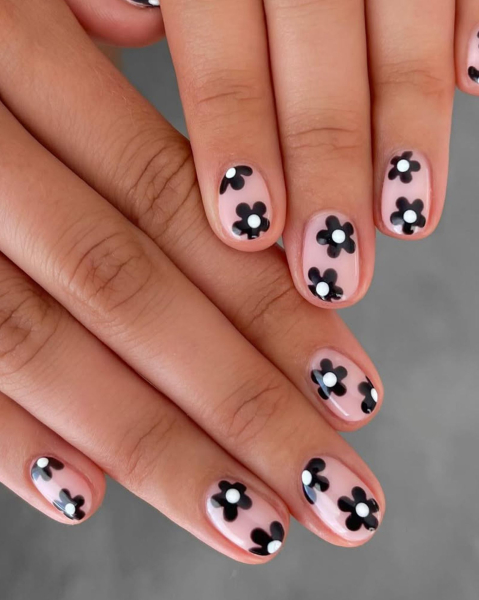 Courtesy of @peachinails
We’re getting loud this summer. Skip the tiny, demure flower design on the nail menu and head for bigger blooms with bolder colors. That’s what clients of Rita Pinto, the owner of New York City-based Vanity Projects Salon, are asking for this summer.
Stick to one or two flowers on short nails, so they don’t look too busy. Nail artists have been relying on blooming gel to create soft, diffused petals, placing them at the corners of the nail for a more abstract effect. Creating floral nail art in bold, contrasting colors like black and white is also a popular way to dress up this simple design.
If you’re committed to a bouquet, place the flowers at the tip of the nail or off in a corner (so the design is cut off slightly) to create negative space, which, according to Elle Gerstein, a nail artist in New York City, “looks better as your nails grow out.”
FAQs
What should I keep in mind when choosing a design for short nails?
Nail artists recommend beginning with a very simple design and building on it when working with short nails. “I usually recommend keeping the art a bit more minimal so the nails don’t look visually crowded,” says Mercedes.
That’s not to say you can’t have several design elements in one look. If you choose to go that route, Mercedes says consider thoughtful placement and “working with a skilled nail artist who understands proportion and balance.” Gerstein also warns against placing a design too close to the bottom of the nail because this will make new growth more noticeable.
What tools work best for designs on short nails?
Very fine brushes, dotting sticks, and nail stampers are a few tools that make creating art on short nails a breeze. Micro-French tips, polka dots, and micro-fruits, in particular, require these tools. For softer, gradient effects and diffused florals, airbrush nail kits and blooming gel help create a seamless canvas that looks organic.
Nail artists also like to use magnetic nail polish and chrome powder as an easy way to add striking detail to simple designs.
Product essentials for short nail designs
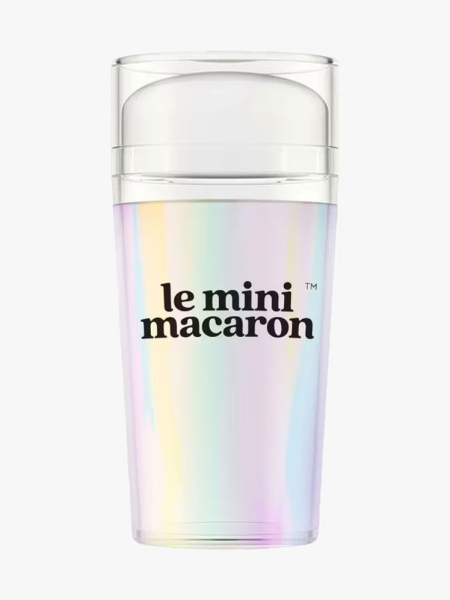 Save to wishlist
Le Mini Macaron
Le Frenchie Nail Stamper
Nordstrom
Ulta Beauty
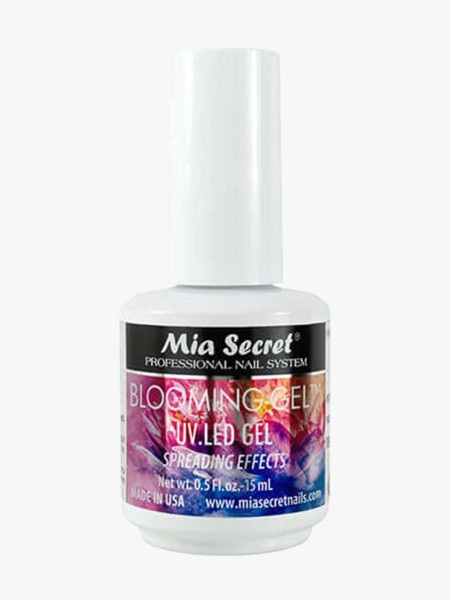 Save to wishlist
Mia Secret
Blooming Gel
Mia Secret
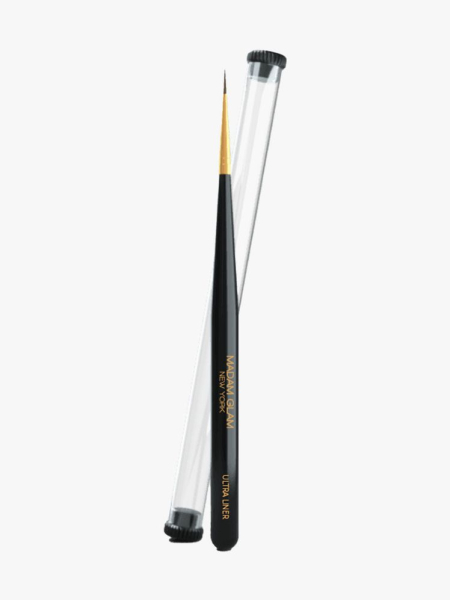 Save to wishlist
Madam Glam
Ultra Liner Nail Brush
Walmart
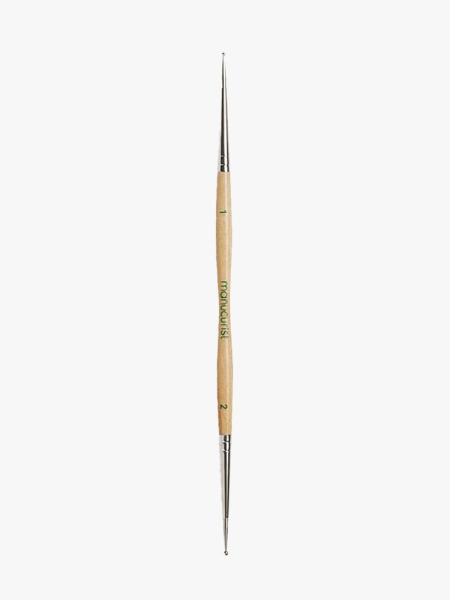 Save to wishlist
Manucurist
Nail Dotting Tool
Manucurist
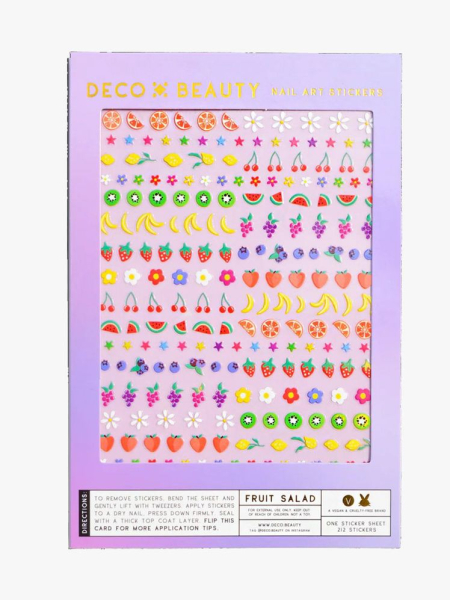 Save to wishlist
Deco Beauty
Micro-Fruit Nail Stickers
Deco Beauty
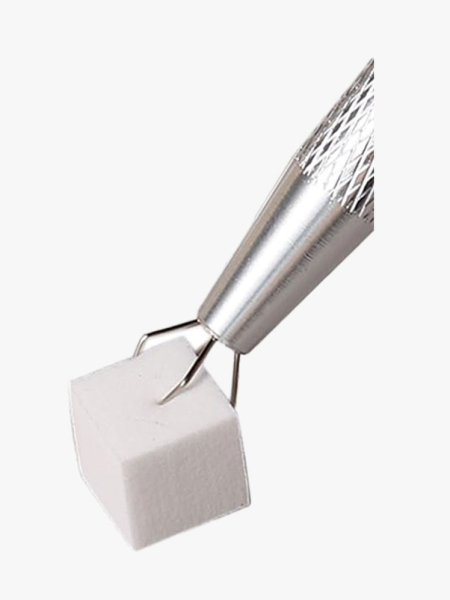 Save to wishlist
Fcozpjk
Nail stamp sponge
Amazon
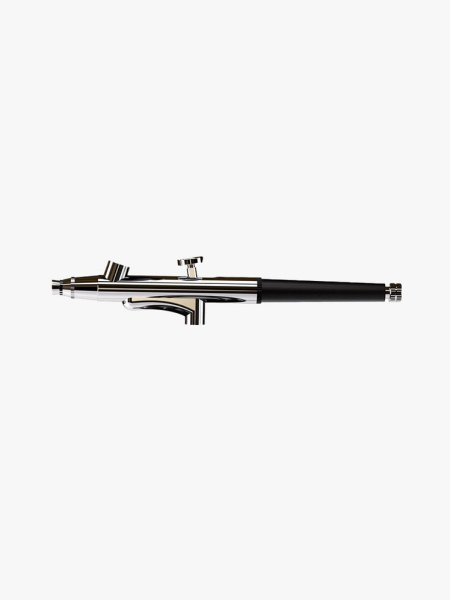 Save to wishlist
CRPEN
Airbrush Kit
Amazon
Olivia Rodrigo Wore the Most ’90s (and Least Expensive) Hair Accessory — See Photos
 NEW YORK, NEW YORK – MAY 21: Olivia Rodrigo attends The Cure Music Video Premiere at The Metrograph on May 21, 2026 in New York City. (Photo by Kevin Mazur/Kevin MazurGetty Images for Olivia Rodrigo )Kevin Mazur/Getty ImagesSave this storySave this story
If you didn't live through the ‘90s in your teens or twenties, I’m not sure I can convey in a glorifying enough way the ubiquity, the importance, the power of a single bobby pin positioned just above eyebrow height in the hair. Whether or not you were using it to keep bangs off your face, it was a must-have hair accessory. Sure, we wore cute clips, too, but there was something about a lazy bobby pin that so perfectly captured a cross-section of the era's styles. And while Olivia Rodrigo wasn't even born yet, she absolutely nailed the look on her current trip to London.
The singer-songwriter is promoting her new album, You Seem Pretty Sad for a Girl So in Love, and on June 4, she made a stop at BBC Radio One. Rodrigo was spotted wearing a cropped, lime-green, knit vest over a black and white polka dot mini dress, as well as thigh-high white socks and black heels. The fit perfectly nailed influence 1960s mod style had on 1990s trends, worn in a 2026 way.
 Photo: Getty Images
But what really brought it all together was one tiny detail: a bobby pin. Rodrigo's signature long hair was side-parted, with the thicker side held ever so slightly back by a little, folded piece of metal that cost maybe a few cents.
 Photo: Getty Images
It's worth noting that Rodrigo, perhaps controversially, wore the bobby pin grooves-up. Some stylists say that the ridges should always face the scalp for maximum security, but hairstylist Andrew Fitzsimons previously told Allure, "The correct way to place a bobby pin is ridges up. The point of the ridges is to be able to glide over and secure the bulk of your hair, while still keeping it as flush as possible."
Truly the “tastes great, less filling” debate of the hairstyling world. (Sorry, that reference goes even farther back than the '90s.)
Rodrigo has recently shown how fond she is of the babydoll grunge style that's so indelibly associated with the ‘90s, so it just makes sense that she'd deploy such an accurate hair accessory. And it wouldn't surprise me in the least if she breaks out a snap clip next.