 Composite: Getty ImagesSave this storySave this story
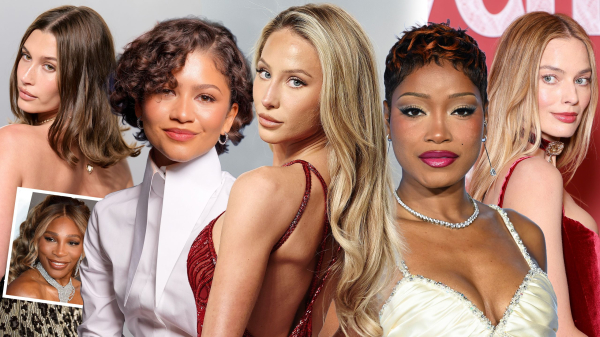
Highlights are never just highlights. There are seemingly countless ways to lighten and brighten hair without dyeing your whole head. And while you know what you like when you see it, it can feel impossible to put it into words once you’re seated in the salon chair. Balayage? Foilayage? Babylights? Midlights? How are you supposed to know what to ask for when the differences are so subtle, and the looks keep getting rebranded with trendy new words?
Thankfully, as a client, you don’t need to take a Duolingo course in highlight terminology to get what you want. An experienced and talented colorist can get you where you want to go if you come equipped with a few photos and a general understanding of the process.
“It’s the stylist’s job to translate what the client wants into the right approach, which is why consultations and asking the right questions are so important,” says Sean Michael, owner of Salon Beau in Andover, Massachusetts. “Bringing in photos is especially helpful. It gives us a clear visual so we can align on the end result and choose the best technique to get there.”
But if you want to give yourself a vocabulary advantage, that’s where we come in. First things first: There are technical terms and there are visual terms. Let’s talk technique first. Jess Gonzalez, lead colorist at Flore Los Angeles, says “classic foil work applied from root to ends with clean, consistent sectioning” is used to achieve traditional highlights. She continues, “Balayage, by contrast, is hand-painted to create a softer, more sun-kissed effect, while foilayage combines the two: hand-painted placement inside foils to achieve that diffused look with added lift.”
These techniques are used to achieve some of the other effects, like midlights, babylights, chunky highlights, and ombré, that refer more to the visual outcome. “They give clients a language to describe how blended, dimensional, or high-contrast they want their color to feel,” says Gonzalez. “At the end of the day, it’s all a variation of placement, saturation, and how lived-in or refined the result is.”
Read on for how to interpret what different highlight lingo means.
Traditional highlights
“Traditional highlights create brightness from root to ends throughout the head,” says Alexis Thurston, founder and chief product officer of Danger Jones hair color. Think: the classic, polished dimension we see on Jennifer Aniston.
Another great example is Jennifer Garner, on whom Tracey Cunningham, colorist and Schwarzkopf Professional US creative director of color and technique, used ultrafine, controlled sections of foils paired with thoughtful toning to create a result that feels soft, seamless, and elevated. “Traditional highlights have really made a return, especially with a focus on precision foiling,” Cunningham tells Allure. “It’s one of the most effective ways to brighten the hair while still maintaining contrast and dimension.”
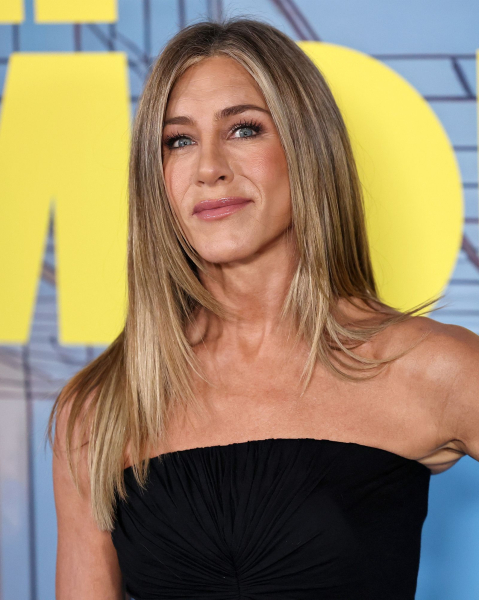 Photo: Getty Images
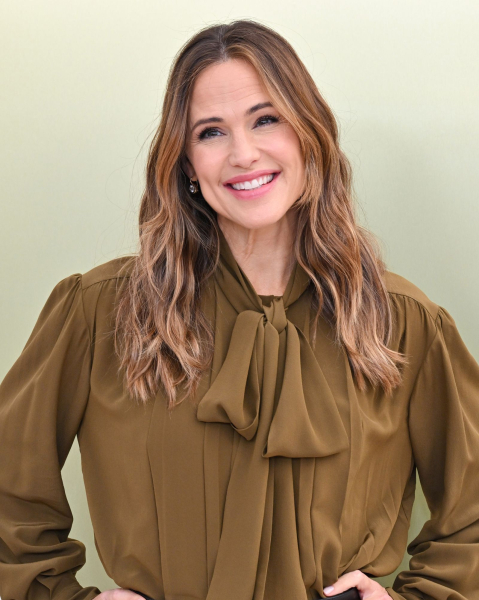 Photo: Getty Images
Balayage
Balayage is ideal for a lower-maintenance look—Gonzalez says you can visit the salon every three to six months, in comparison to traditional highlights needing a zhuzh every six to eight weeks. It’s a hand-painted technique where lightener is applied freehand “for a soft, lived-in, natural gradient with less noticeable regrowth,” says Michael. Thurston concurs, adding that it stays popular because it grows out beautifully.
Cunninham loves how there are no harsh lines at the root with balayage. “On Ellen Pompeo, I focused brightness around the hairline and through the lengths to achieve that ‘golden sand’ blonde.”
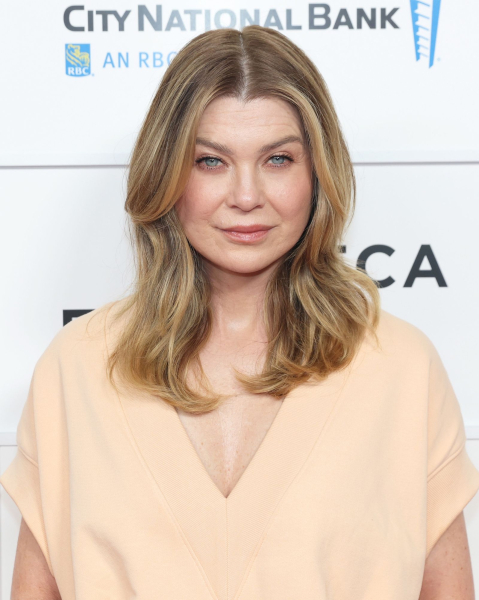 Photo: Getty Images
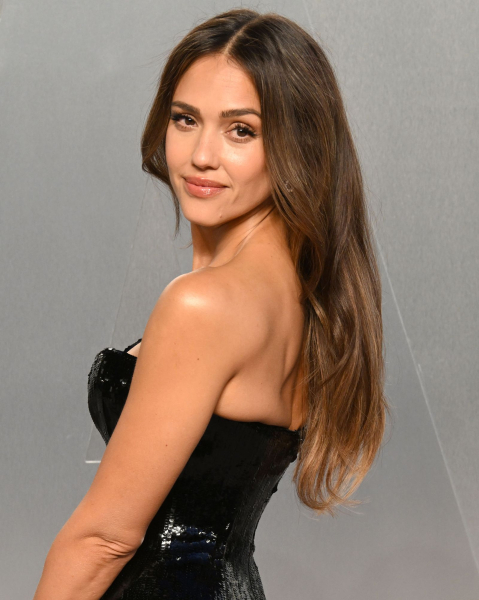 Photo: Getty Images
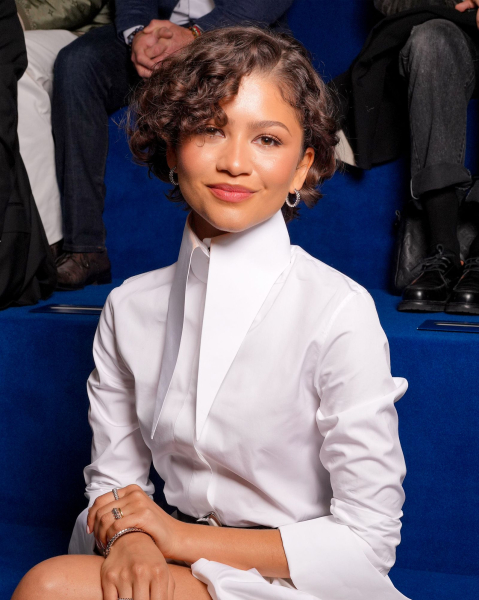 Photo: Getty Images
Foilayage
This portmanteau is exactly the hybrid you think it is: a combination of balayage and foils. “Hair is hand-painted but wrapped in foils to achieve brighter, more lifted results while keeping softness,” says Michael.
“It’s ideal when someone wants to be noticeably lighter but not stripey,” adds Thurston. Perhaps needless to say, the salon upkeep schedule falls between balayage and traditional foil highlights, requiring a visit every 8 to 12 weeks.
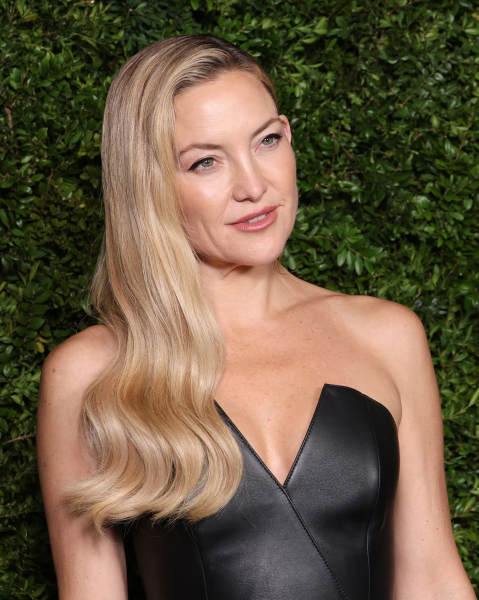 Photo: Getty Images
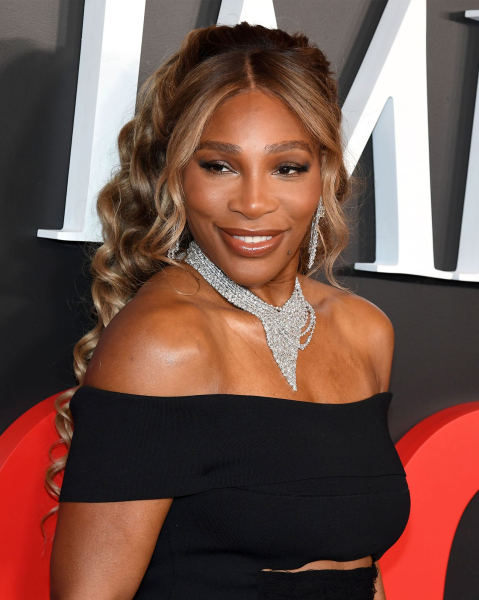 Photo: Getty Images
Lowlights
“Lowlights are about adding darker pieces back into the hair to create depth and contrast,” says Cunningham, who likes to weave in deeper tones to keep color from looking flat and make the lighter pieces stand out.
“They’re often what makes blonde or brunette hair look more ‘expensive’ and multidimensional,” says Thurston, citing Hailey Bieber as a prime example.
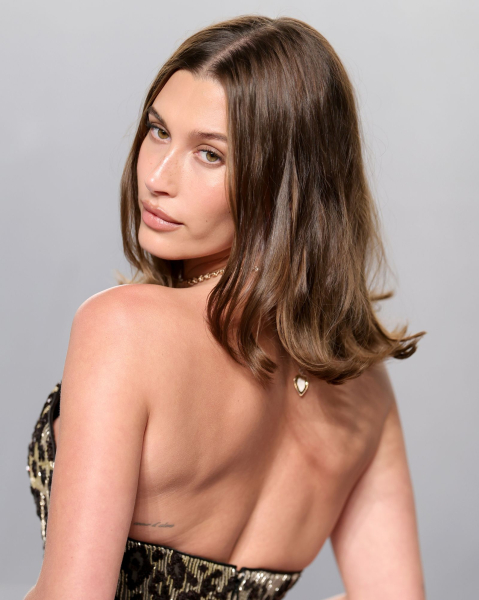 Photo: Getty Images
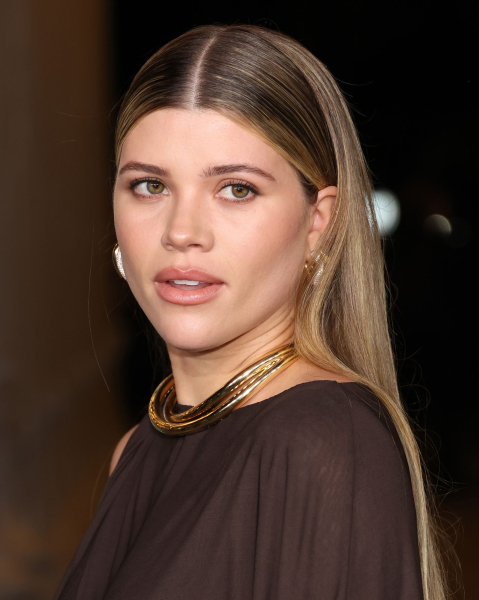 Photo: Getty Images
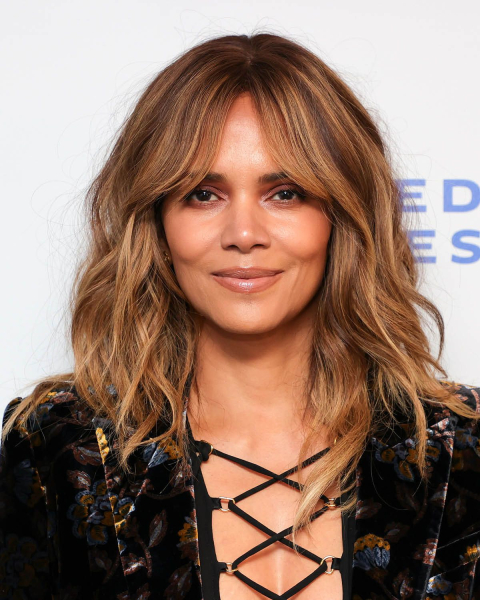 Photo: Getty Images
Midlights
As you might have guessed, midlights are the middle ground between highlights and lowlights, creating a seamless way to blend everything. They’re often concentrated on the mid-length instead of the scalp, Thurston says, making them a smart way to refresh dimension without committing to frequent root maintenance.
“The technique may vary, but the goal is always the same: natural, believable, dimensional color,” says Cunningham, who has done midlights on Emma Stone. “I layered tones through the mid-lengths using Igora Vibrance, which softened the contrast and created that seamless, luminous auburn.”
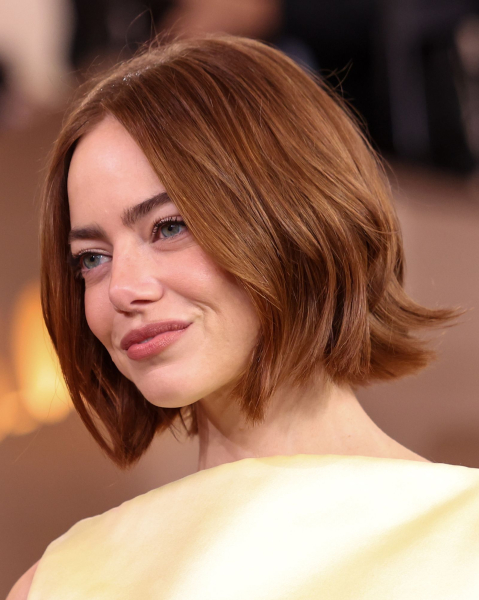 Photo: Getty Images
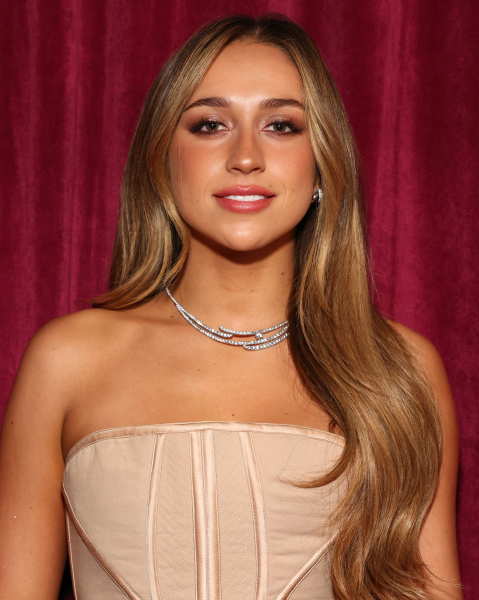 Photo: Getty Images
Babylights
Babylights involve lightening very small sections of hair to create a blended look. “Stylists often tease the hair first so that only a limited amount of strands are actually colored, which keeps the result super-subtle and natural,” says Michael, who adds that the regrowth is much less noticeable. And even though babylights are ultrafine, their cumulative effect is never streaky. “They create a soft glow rather than obvious streaks, like the subtle brightness often seen on Margot Robbie,” says Thurston.
“On Leslie Bibb, I placed micro-fine foils throughout the hair so you don’t see individual highlights,” says Cunningham, who explains that babylights often mimic natural lightening from the sun.
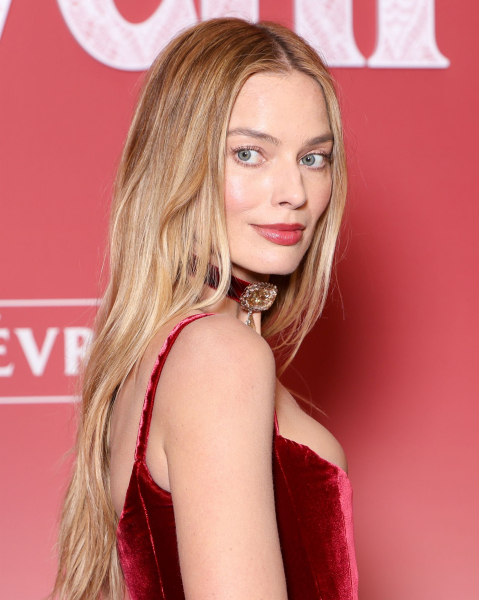 Photo: Getty Images
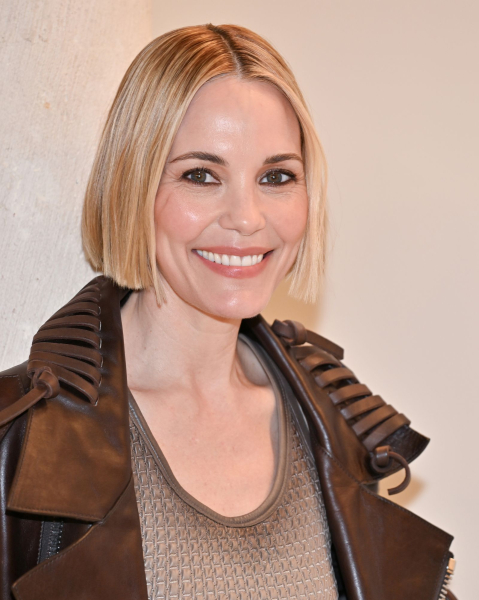 Photo: Getty Images
Chunky
When you think of chunky highlights, your mind might immediately jump to the thick stripes of the Y2K era. Kelly Clarkson’s Thankful album cover is the epitome! But while the modern take on chunky highlights is still high-contrast with thicker swaths of lightened hair, “Today’s versions are more intentional and editorial,” Thurston says. “They read as a fashion statement rather than a throwback streak.”
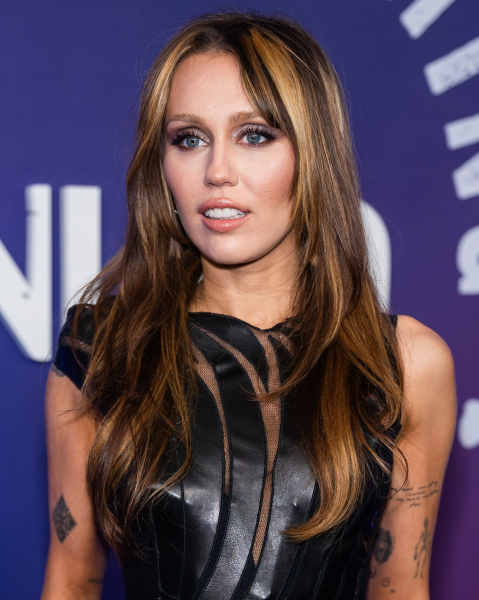 Photo: Getty Images
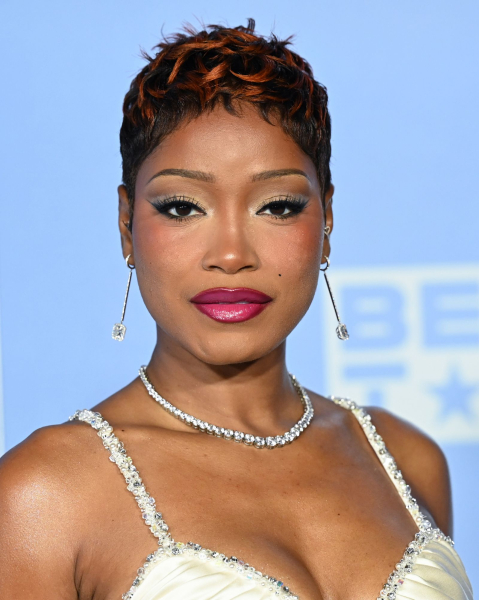 Photo: Getty Images
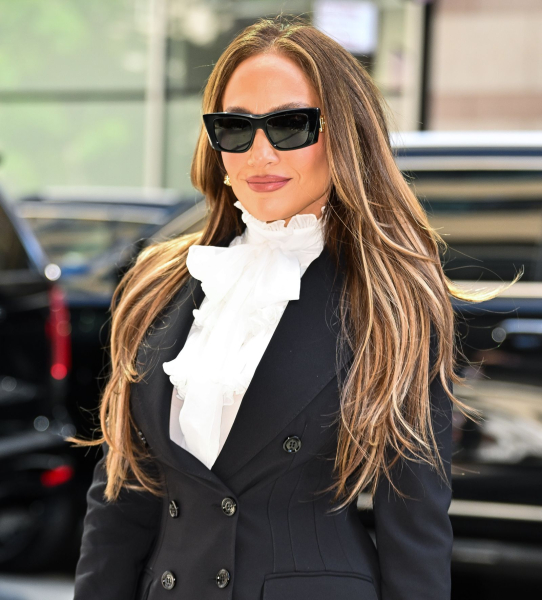 Photo: Getty Images
Ombré
Ombré might have gained popularity nearly two decades ago, but it never really went away. What once looked like grown-out color became a desirable, intentional, gradient look. “It transitions from darker at the roots to significantly lighter at the ends with a more noticeable contrast than balayage,” says Michael.
Less about highlighting individual pieces and more about that color shift from top to bottom, ombré is a low-maintenance way to create brightness and movement, Thurston says.
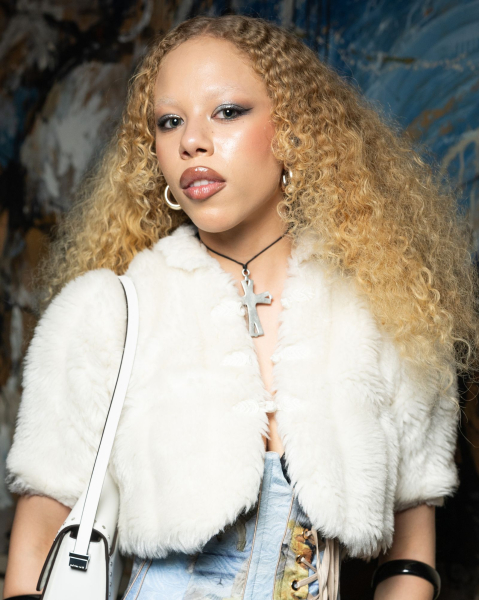 Photo: Getty Images
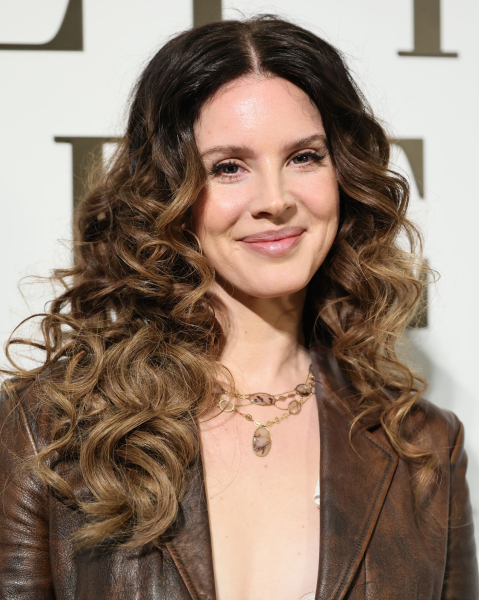 Photo: Getty Images